
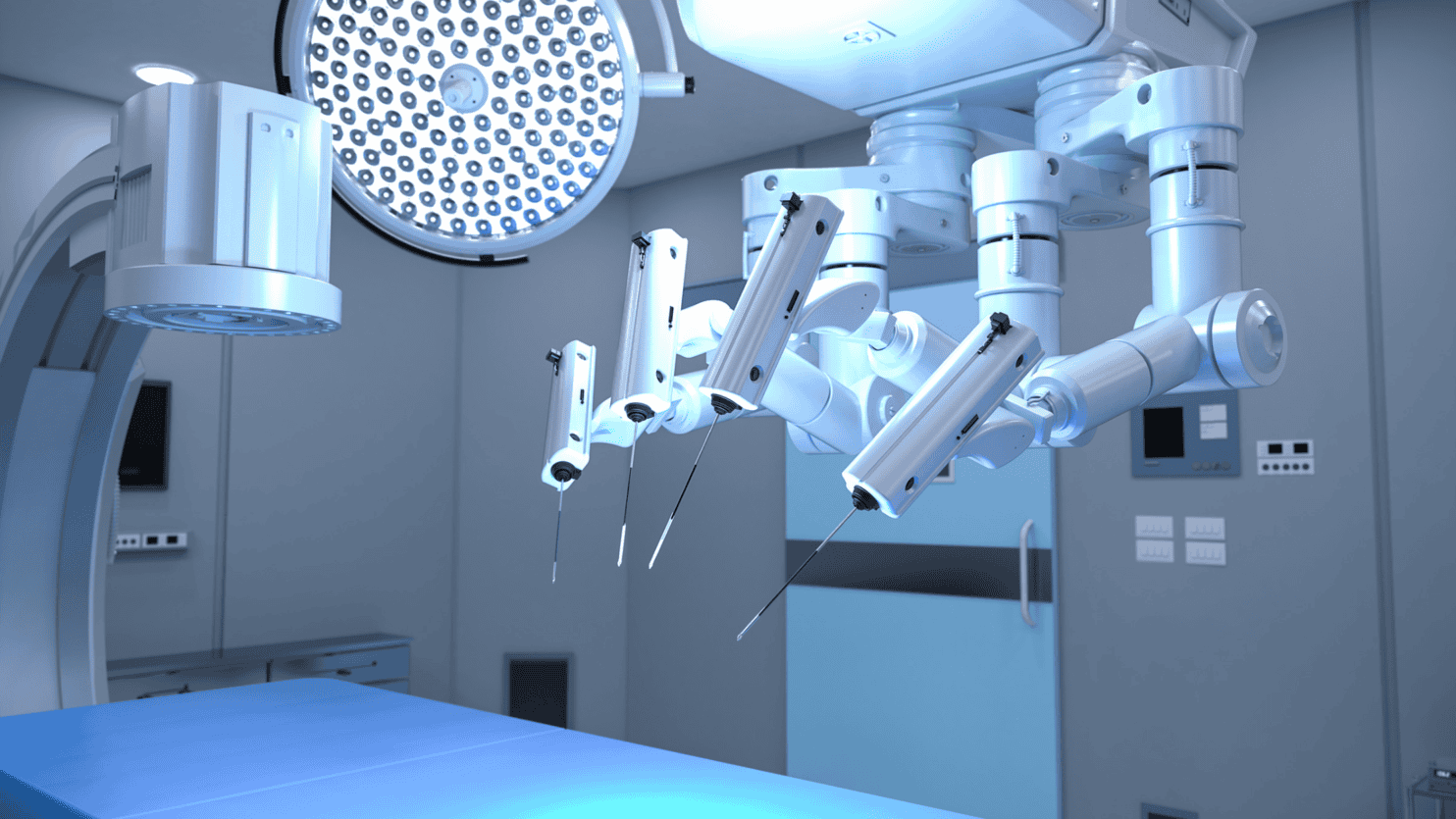
Robotic-assisted orthopedic surgery uses a surgeon-controlled robotic arm and advanced planning software to help place implants and prepare bone with a high degree of precision. It is most often used in knee and hip replacement. It does not mean a robot performs the operation on its own. The surgeon remains in charge at every step, and whether this approach is right for you depends on your condition, anatomy, and goals.
What Is Robotic-Assisted Surgery?
In most systems, the process begins with imaging, such as a CT scan or X-rays, or with mapping of your anatomy during surgery. Software builds a three-dimensional plan showing where the implant should go and how much bone should be removed. During the procedure, the robotic arm helps the surgeon stay within the planned boundaries by guiding or limiting the cutting tool. The surgeon can adjust the plan in real time based on how the joint moves and feels.
Common Procedures
- Total knee replacement for advanced arthritis
- Partial knee replacement when arthritis is limited to one compartment
- Total hip replacement to restore motion and relieve pain
- Select spine and other procedures where the technology is available
Potential Benefits
Precision is the main appeal. Accurate implant positioning and balanced soft tissues are important for how a joint replacement feels and how long it lasts. Studies suggest robotic assistance can improve the consistency of implant alignment compared with conventional instruments. Some patients report less early pain and faster early recovery, although research on long-term outcomes, such as implant longevity and function years later, is still developing.
Limitations and Considerations
Robotic technology is a tool, not a guarantee. Operative time may be slightly longer, particularly early in a surgeon’s experience, and some systems require a preoperative CT scan. Costs and availability vary, and not every hospital offers every system. A skilled surgeon using conventional techniques can also achieve excellent results, so surgeon experience and judgment remain the most important factors.
Who May Be a Good Candidate?
Candidacy for the underlying surgery comes first. Joint replacement is usually considered when pain and loss of function from arthritis persist despite nonsurgical treatments such as physical therapy, activity changes, medication, and injections. Your surgeon will review your imaging, medical history, and expectations. Patients with unusual anatomy, prior surgery, or significant deformity may benefit from the detailed planning robotic systems provide, but this is an individual decision.
What to Expect Before and After Surgery
Before surgery, you will typically complete a medical evaluation, review medications, and learn about preparation, sometimes including prehabilitation exercises. After surgery, most patients begin walking with support within hours to a day, and many go home the same day or after a short stay. Physical therapy is essential to restore strength and motion. Recovery times vary, and full recovery from joint replacement often takes several months.
Risks to Discuss
Robotic-assisted procedures carry the same general risks as conventional joint replacement, including infection, blood clots, stiffness, implant problems, and anesthesia-related risks. Your surgeon will explain how they are minimized, including antibiotics, blood clot prevention, and early mobilization.
Questions to Ask Your Surgeon
Ask how often they perform the procedure with the robotic system, why they recommend it for you, what outcomes you can realistically expect, how your recovery plan will look, and what alternatives exist. Understanding the reasoning helps you feel confident in your decision.
Preparing Your Body and Home for Surgery
Preparation can improve recovery. Many surgeons recommend strengthening exercises before surgery, quitting tobacco, managing blood sugar, and optimizing nutrition. At home, plan for a safe recovery space with a firm chair, clear walkways, a raised toilet seat if advised, and help with meals and errands for the first days. Arrange transportation to follow-up visits and physical therapy sessions in advance so you do not miss early rehabilitation.
Realistic Expectations for Results
The goals of joint replacement are less pain, better function, and a return to meaningful activities such as walking, golf, swimming, or gardening. High-impact activities may be limited. Discuss which activities are realistic for you, since expectations strongly influence satisfaction with outcomes. Most implants are designed to last many years, and ongoing follow-up allows your surgeon to monitor how the joint is performing.
Frequently Asked Questions
Does the robot operate by itself?
No. The surgeon directs the operation, and the system assists with planning and precision.
Is recovery faster with robotic surgery?
Some patients recover quickly, but results vary, and good rehabilitation matters just as much.
Will insurance cover it?
Coverage generally follows the underlying joint replacement, but confirm details with your insurer.
Ready to talk with a specialist? Contact Pontchartrain to schedule an evaluation and learn which options may be right for you.
This article is for educational purposes only and is not a substitute for professional medical advice, diagnosis, or treatment. Always talk with a qualified healthcare provider about your individual situation.
[gravityform id=10 title=false description=false]