
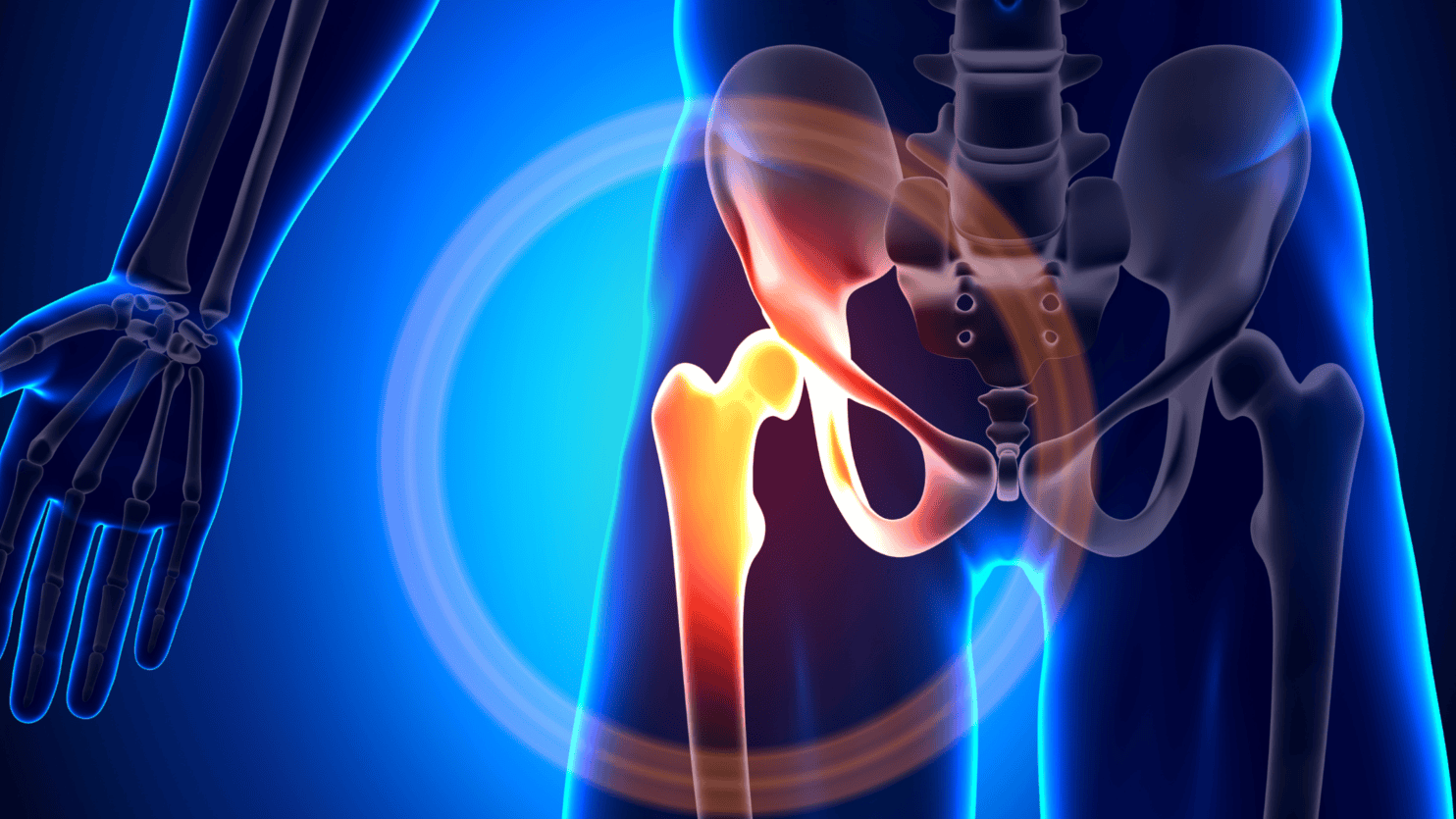
Joint pain can significantly impact your quality of life, making everyday activities like walking, climbing stairs, or even sleeping uncomfortable. While many joint conditions can be managed with conservative treatments, there comes a point for some patients when joint replacement surgery becomes the most effective solution. Understanding when that time has arrived is key to making an informed decision about your care.
Understanding Joint Damage
Joints such as the hips, knees, and shoulders are designed to move smoothly thanks to a layer of cartilage that cushions the bones. Over time, this cartilage can wear down due to conditions like osteoarthritis, rheumatoid arthritis, injury, or repetitive stress. When the protective cartilage is lost, bones begin to rub against each other, causing pain, stiffness, swelling, and reduced mobility.
In early stages, symptoms may be mild and manageable. However, as joint damage progresses, pain can become chronic and significantly interfere with daily life.
Conservative Treatments Come First
Before considering joint replacement, most patients are advised to try non-surgical treatments. These may include:
- Physical therapy to improve strength and flexibility
- Anti-inflammatory medications to reduce pain and swelling
- Corticosteroid or hyaluronic acid injections
- Activity modification or weight loss
- Bracing or assistive devices
For many people, these treatments provide meaningful relief. But when they no longer work, it may be time to explore surgical options.
Signs That Joint Replacement May Be the Best Option
Persistent Pain
If you experience constant joint pain that does not improve with rest or medication—and especially if it disrupts sleep—it may signal advanced joint damage.
Limited Mobility
Difficulty bending, straightening, or moving the joint can make routine activities like walking, dressing, or getting in and out of a chair challenging.
Reduced Quality of Life
When joint pain prevents you from enjoying hobbies, working, or maintaining independence, surgery may offer a path back to normal function.
Failure of Conservative Treatments
If multiple non-surgical treatments have been tried without lasting relief, joint replacement may be the next step.
Joint Deformity or Instability
Visible changes in joint shape or a feeling that the joint may “give out” can indicate severe deterioration.
What Happens During Joint Replacement?
Joint replacement surgery involves removing damaged cartilage and bone and replacing them with artificial components made of metal, plastic, or ceramic. These prosthetic joints are designed to replicate natural movement and reduce pain.
Common procedures include:
- Knee replacement
- Hip replacement
- Shoulder replacement
Advancements in surgical techniques and technology have made these procedures more precise, with faster recovery times and improved outcomes.
Benefits of Joint Replacement
- Significant pain relief
- Improved mobility and flexibility
- Enhanced quality of life
- Increased ability to participate in daily activities and exercise
Many patients report dramatic improvements within weeks to months after surgery.
Risks and Considerations
Like any surgery, joint replacement carries some risks, including infection, blood clots, or implant wear over time. Recovery also requires commitment to physical therapy and rehabilitation.
Age alone is not the deciding factor—overall health, activity level, and severity of symptoms are more important considerations. A thorough evaluation by a specialist can help determine if you are a good candidate.
Is It Time to Consider Joint Replacement?
Deciding to undergo joint replacement is a personal decision that should be made in consultation with a qualified orthopedic or pain specialist. If joint pain is limiting your life and conservative treatments are no longer effective, it may be time to discuss your options.
Early evaluation can help you understand the progression of your condition and plan appropriately, even if surgery is not immediately necessary.
Final Thoughts
Joint replacement is not the first step in treating joint pain—but for many patients, it becomes the most effective one when other options fail. Recognizing the signs and seeking expert guidance can help you regain mobility, reduce pain, and return to the activities you enjoy.
[gravityform id=10 title=false description=false]