
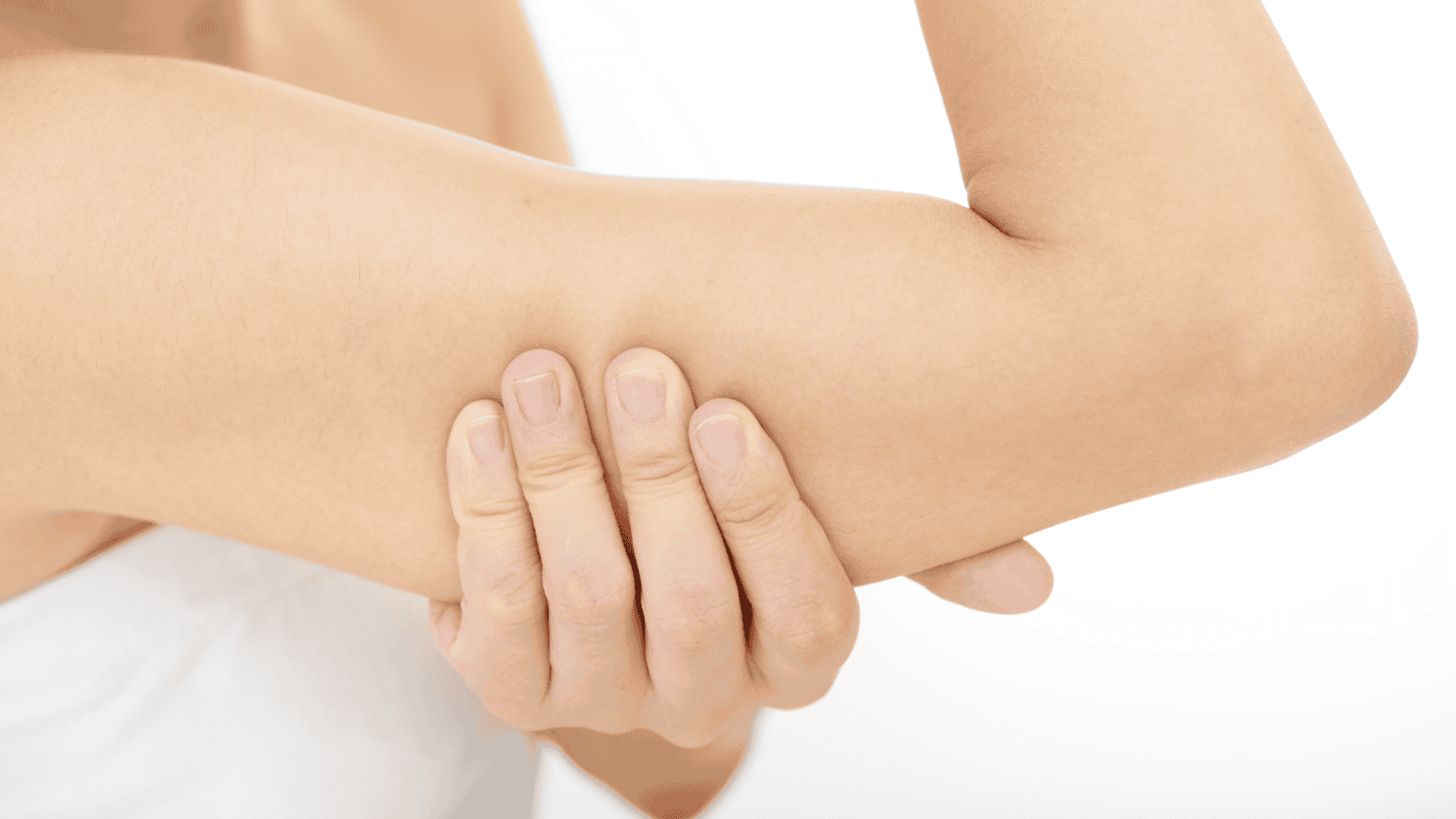
Upper limb spasticity is a condition that causes increased muscle stiffness, tightness, and involuntary contractions in the arms, wrists, hands, or fingers. It can interfere with everyday activities, including dressing, eating, writing, bathing, and holding objects. Although upper limb spasticity is commonly associated with neurological conditions such as stroke, it can also develop following a spinal cord injury, traumatic brain injury, or other disorders affecting the central nervous system.
Understanding what causes upper limb spasticity, recognizing its symptoms, and exploring available treatment options can help individuals manage muscle stiffness and maintain greater independence. Treatment focuses on reducing abnormal muscle activity, improving movement, preventing complications, and supporting everyday function.
What Is Upper Limb Spasticity?
Upper limb spasticity is a movement disorder characterized by increased muscle tone and an exaggerated muscle response to stretching. It occurs when damage to the brain or spinal cord disrupts the normal communication pathways responsible for controlling voluntary movement and regulating muscle activity.
Under normal circumstances, the nervous system coordinates muscle contractions and relaxation. When these pathways become damaged, the muscles may remain partially contracted or respond excessively to movement. This can cause stiffness, involuntary muscle contractions, and difficulty controlling the affected arm or hand.
Upper limb spasticity can affect different muscle groups, including the shoulder, elbow, wrist, and fingers. Some individuals experience mild tightness, while others develop significant muscle contractions that keep the arm bent against the body, the wrist flexed, or the fingers tightly curled.
The condition can affect one or both arms, depending on the underlying neurological injury.
What Causes Upper Limb Spasticity?
Upper limb spasticity develops when an injury or medical condition affects the brain or spinal cord pathways responsible for controlling muscle movement. These pathways normally regulate muscle tone and coordinate signals between the nervous system and the muscles.
Several neurological conditions can contribute to upper limb spasticity, including:
- Stroke: Damage to areas of the brain responsible for movement can disrupt normal muscle control, resulting in stiffness and involuntary contractions.
- Traumatic brain injury: Damage to the brain following an accident, fall, or other traumatic event can affect the pathways that regulate muscle activity.
- Spinal cord injury: Injuries that interrupt communication between the brain and the body can cause increased muscle tone and involuntary contractions.
- Multiple sclerosis: This neurological condition damages the protective covering of nerve fibers, potentially disrupting signals involved in muscle control.
- Cerebral palsy: Abnormal brain development or early brain injury can affect muscle tone and movement throughout childhood and adulthood.
- Brain or spinal cord tumors: Tumors affecting areas involved in motor control can interfere with normal neurological signaling.
The severity of spasticity depends on the location and extent of neurological damage, as well as the muscles involved.
What Are the Common Symptoms of Upper Limb Spasticity?
Upper limb spasticity can produce symptoms ranging from mild muscle tightness to severe stiffness that significantly limits arm and hand movement. Symptoms may develop gradually or become noticeable following a neurological injury.
Common symptoms include:
- Muscle stiffness or tightness in the arm or hand.
- Involuntary muscle contractions or spasms.
- Difficulty straightening the elbow or extending the wrist.
- Fingers that curl into the palm or resist opening.
- Limited shoulder, elbow, wrist, or finger movement.
- Pain associated with muscle tightness or spasms.
- Difficulty gripping, holding, or releasing objects.
- Reduced coordination and control of voluntary movements.
In more advanced cases, persistent muscle contractions can contribute to joint stiffness, muscle shortening, and contractures. These complications can make personal hygiene, dressing, and other daily activities increasingly difficult.
How Does Upper Limb Spasticity Affect Everyday Activities?
Upper limb spasticity can interfere with many activities that require coordinated movement of the arm and hand. Even relatively mild muscle stiffness may make tasks more challenging when they require precise movements or sustained muscle control.
For example, individuals may have difficulty buttoning clothing, using utensils, brushing their teeth, typing, or reaching overhead. Tightness in the fingers and wrist can also make it difficult to grasp objects or release them after picking them up.
Spasticity may affect sleep when involuntary muscle contractions cause discomfort or interfere with comfortable positioning. Persistent stiffness can also complicate dressing, bathing, and maintaining proper skin hygiene, particularly when the arm remains tightly flexed.
The functional impact varies considerably. Some individuals retain substantial arm movement but experience difficulty with fine motor tasks, while others have more significant limitations that affect basic self-care.
How Is Upper Limb Spasticity Diagnosed?
Diagnosing upper limb spasticity typically involves a neurological examination, a review of medical history, and an assessment of muscle tone and movement.
A healthcare provider evaluates the affected muscles by examining how they respond when the arm is moved or stretched. Increased resistance to passive movement, particularly when the muscle is stretched quickly, may indicate spasticity.
The examination may also assess:
- Muscle strength and voluntary movement.
- Joint flexibility and range of motion.
- Frequency and severity of muscle spasms.
- Pain and associated discomfort.
- Ability to perform everyday activities.
- Signs of joint stiffness or developing contractures.
The Modified Ashworth Scale is commonly used to evaluate increased muscle tone by measuring resistance during passive movement. Additional functional assessments can help determine how spasticity affects the patient’s ability to use the affected arm.
Imaging studies, such as MRI or CT scans, may be recommended when additional information about the underlying neurological condition is needed.
What Are the Treatment Options for Upper Limb Spasticity?
Treatment for upper limb spasticity depends on the severity of symptoms, the underlying neurological condition, the muscles involved, and the patient’s functional goals.
The primary objectives are to reduce excessive muscle activity, improve positioning and movement, relieve discomfort, and prevent secondary complications.
Physical and Occupational Therapy
Physical and occupational therapy are important components of spasticity management. Physical therapy focuses on maintaining joint mobility, improving movement, and reducing the functional effects of muscle stiffness.
Treatment may include stretching, range-of-motion exercises, strengthening unaffected muscles, and movement training.
Occupational therapy focuses on helping individuals perform everyday activities more effectively. Therapists may recommend adaptive equipment, modified techniques, and exercises designed to improve hand coordination and functional independence.
Botulinum Toxin Injections
Botulinum toxin injections are a commonly used treatment for focal upper limb spasticity. These medications temporarily block the release of chemical signals that cause muscles to contract.
When injected into specific overactive muscles, botulinum toxin can reduce excessive muscle activity and improve the affected limb’s range of motion.
Treatment may target muscles responsible for elbow flexion, wrist flexion, or finger tightness. Depending on the individual’s needs, injections may help reduce pain, improve arm positioning, make hygiene easier, and support participation in rehabilitation.
The effects are temporary, typically lasting several months. Repeat treatments may be recommended when symptoms return.
Oral Medications
Oral medications may be prescribed when spasticity affects multiple muscle groups or causes widespread discomfort. Common medications include baclofen and tizanidine, which help reduce excessive muscle activity through their effects on the nervous system.
These medications can cause side effects such as drowsiness, dizziness, and muscle weakness. Treatment requires careful monitoring to balance symptom relief with functional needs.
Intrathecal Baclofen Therapy
For severe spasticity that does not respond adequately to other treatments, intrathecal baclofen therapy may be considered.
This approach uses an implanted pump to deliver baclofen directly into the fluid surrounding the spinal cord. Delivering medication into this space allows smaller doses to produce an antispasticity effect while potentially reducing some systemic side effects associated with oral medication.
Intrathecal baclofen is generally reserved for individuals with significant spasticity who meet specific clinical criteria.
Splinting and Orthotic Devices
Splints, braces, and other orthotic devices can help support the affected arm, wrist, or hand in a more functional position.
These devices may help maintain joint alignment, improve positioning, and reduce the risk of complications associated with prolonged muscle tightness. They are often used alongside therapy and other treatments rather than as standalone solutions.
When Should Someone Seek Treatment for Upper Limb Spasticity?
An evaluation is appropriate when muscle stiffness, involuntary contractions, or restricted arm movement begin interfering with everyday activities. Early assessment can help identify the underlying cause and determine whether treatment may prevent additional complications.
Treatment is particularly important when spasticity causes persistent pain, difficulty maintaining hygiene, reduced joint mobility, or progressive muscle shortening.
A sudden onset of arm weakness, stiffness, or loss of coordination should be evaluated urgently, particularly when accompanied by facial drooping, speech difficulties, or other possible stroke symptoms.
Can Upper Limb Spasticity Be Managed Long-Term?
Although upper limb spasticity may not be completely reversible, many individuals can achieve meaningful improvements with an individualized treatment plan. Management often requires a combination of medical interventions, rehabilitation, and ongoing monitoring.
Treatment goals may change over time depending on muscle tone, functional ability, and the progression of the underlying neurological condition. Regular evaluations allow healthcare providers to adjust medications, repeat injections when appropriate, and modify rehabilitation strategies.
With appropriate care, individuals may experience reduced muscle stiffness, improved comfort, better arm positioning, and greater ability to participate in daily activities.
[gravityform id=10 title=false description=false]