
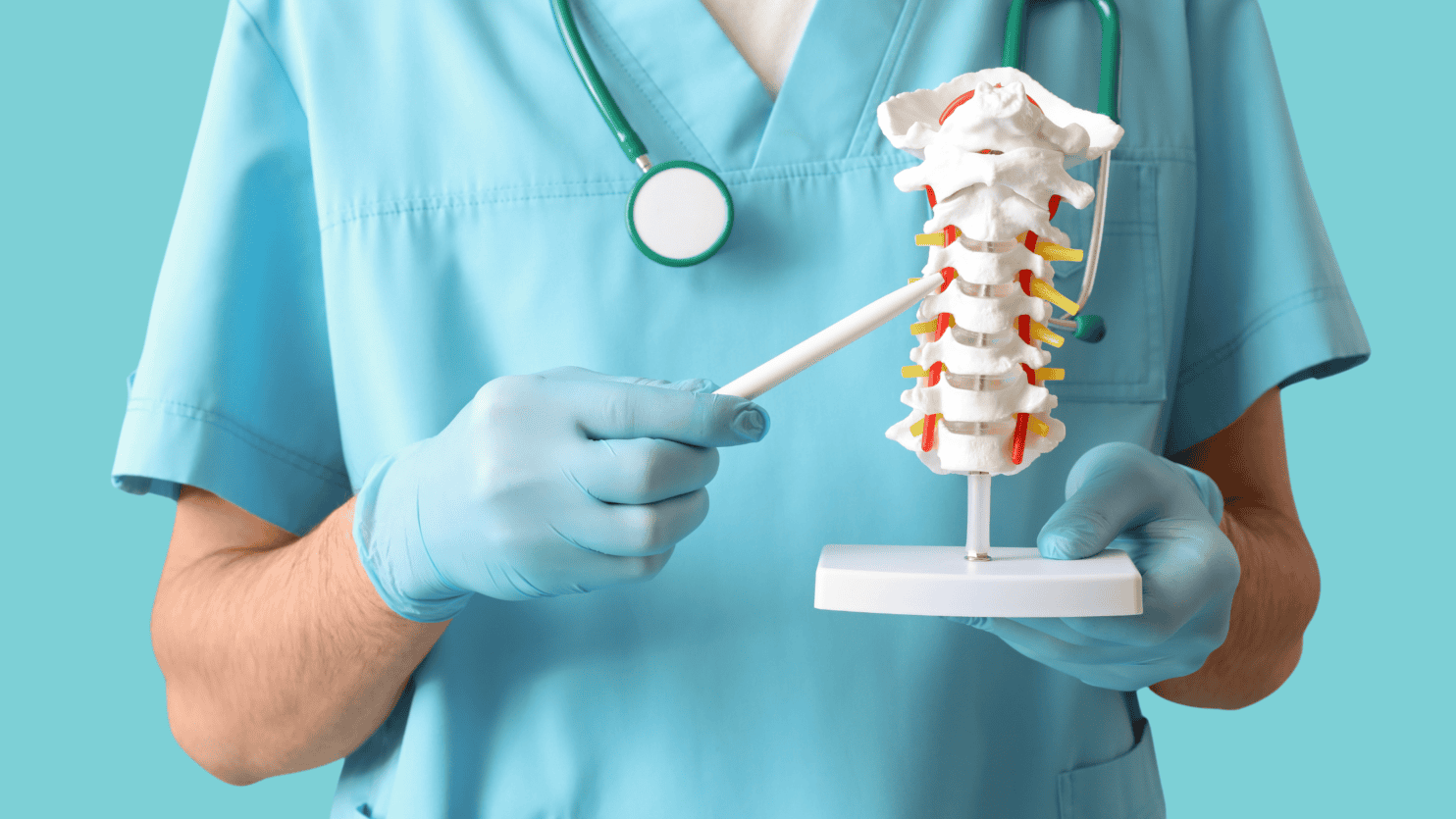
Spinal stenosis is a common condition that develops when the spaces within the spine become narrower, potentially putting pressure on the spinal cord or nearby nerves. Although spinal stenosis is often associated with aging, the condition can affect adults for several reasons and does not always cause symptoms.
Understanding what spinal stenosis is, what causes it, and when spinal stenosis requires treatment can help patients recognize symptoms and seek appropriate medical evaluation before pain or nerve problems interfere with daily activities.
What Is Spinal Stenosis?
Spinal stenosis is a condition in which the openings within the spinal column become narrowed, reducing the space available for the spinal cord and spinal nerves. The narrowing can occur anywhere along the spine but most commonly develops in the lower back, known as lumbar spinal stenosis, or the neck, known as cervical spinal stenosis.
Spinal stenosis may develop gradually as the structures of the spine change over time. Some people have spinal narrowing visible on an MRI or other imaging study without experiencing any symptoms. Others develop significant nerve compression that causes pain, numbness, weakness, or difficulty walking.
What Causes Spinal Stenosis?
Spinal stenosis can be caused by age-related changes, arthritis, disc problems, bone growth, or other conditions that reduce the space around the spinal cord and nerves. Osteoarthritis can contribute to the development of bone spurs and enlarged facet joints, while degenerative disc disease can change the height and structure of spinal discs.
Other potential causes include a herniated disc, thickened spinal ligaments, congenital narrowing of the spinal canal, previous spinal injuries, and, less commonly, tumors or other abnormalities.
Because several conditions can contribute to spinal stenosis, identifying the specific source of narrowing is important when determining whether treatment is necessary.
What Are the Symptoms of Spinal Stenosis?
Symptoms of spinal stenosis depend on where the narrowing occurs and which nerves are affected. Lumbar spinal stenosis commonly causes lower back pain, buttock pain, leg pain, numbness, tingling, or weakness.
A characteristic symptom is neurogenic claudication, which can cause pain, heaviness, numbness, or weakness in the legs after standing or walking for a period of time. Symptoms often improve when sitting or leaning forward.
Cervical spinal stenosis can cause neck pain, arm symptoms, numbness, weakness, or changes in coordination. More significant compression of the spinal cord can affect balance, walking, and hand function.
Does Spinal Stenosis Always Cause Pain?
Spinal stenosis does not always cause pain or other symptoms. Many adults have some degree of spinal narrowing on imaging without experiencing significant problems.
Imaging findings alone do not necessarily mean treatment is required. Healthcare professionals generally consider the patient’s symptoms, physical examination, medical history, and imaging findings together when determining whether spinal stenosis is clinically significant.
This distinction is important because treating an imaging finding that is not causing symptoms may provide little benefit.
When Does Spinal Stenosis Require Treatment?
Spinal stenosis generally requires treatment when symptoms become persistent, interfere with daily activities, limit mobility, or cause significant nerve problems. Mild symptoms may initially be managed with conservative approaches designed to improve function and control discomfort.
Treatment decisions may also depend on whether symptoms are getting worse. Progressive weakness, difficulty walking, significant numbness, or symptoms affecting quality of life warrant medical evaluation.
The goal is not necessarily to eliminate every sign of spinal narrowing on an imaging study. Instead, treatment focuses on reducing symptoms, protecting neurological function, and helping patients maintain or regain their ability to move and participate in daily activities.
How Is Spinal Stenosis Diagnosed?
Spinal stenosis is diagnosed by combining a patient’s symptoms and physical examination with appropriate imaging when necessary. A healthcare professional may evaluate strength, sensation, reflexes, walking ability, and other neurological functions.
X-rays can show certain structural changes, while magnetic resonance imaging (MRI) provides detailed images of the spinal discs, nerves, spinal cord, and surrounding tissues. In some cases, computed tomography (CT) scans or other diagnostic tests may provide additional information.
The most useful imaging findings are those that correspond with the patient’s symptoms and physical examination.
What Non-Surgical Treatments Can Help Spinal Stenosis?
Non-surgical treatment for spinal stenosis may include physical therapy, activity modification, medications, and targeted injections, depending on the patient’s symptoms and overall health. Physical therapy may focus on improving strength, flexibility, posture, balance, and functional movement.
Some patients may benefit from epidural steroid injections or other targeted procedures when inflammation around an affected nerve contributes to symptoms. These treatments may provide temporary relief and can sometimes help patients participate more effectively in rehabilitation.
A treatment plan should be individualized because spinal stenosis affects patients differently.
When Is Surgery Considered for Spinal Stenosis?
Surgery for spinal stenosis may be considered when significant symptoms persist despite appropriate non-surgical treatment or when nerve compression causes progressive neurological problems. Surgical procedures may involve removing tissue or bone that is compressing a nerve or the spinal cord.
The appropriate procedure depends on the location and severity of the stenosis, the underlying cause, spinal stability, and the patient’s overall health.
Surgery is not automatically required simply because an MRI shows spinal stenosis. Instead, the decision generally considers the severity of symptoms, functional limitations, neurological findings, and response to other treatments.
What Symptoms of Spinal Stenosis Require Prompt Medical Attention?
Spinal stenosis symptoms that involve progressive weakness, significant difficulty walking, or changes in bladder or bowel function require prompt medical evaluation. These symptoms can indicate more serious nerve or spinal cord compression.
Sudden or rapidly worsening neurological symptoms should not be ignored. Early evaluation can help determine whether urgent treatment is necessary and reduce the risk of prolonged nerve dysfunction.
Can Spinal Stenosis Be Managed Without Surgery?
Spinal stenosis can often be managed without surgery, particularly when symptoms are mild or moderate and there is no progressive neurological impairment. Treatment may focus on controlling pain, improving mobility, strengthening supportive muscles, and addressing the activities or positions that aggravate symptoms.
For patients with persistent or worsening symptoms, a pain management or spine specialist can evaluate whether additional interventions may be appropriate.
What Is the Outlook for People With Spinal Stenosis?
The outlook for people with spinal stenosis varies depending on the severity of narrowing, the nerves involved, and the patient’s symptoms. Some people remain relatively active with conservative treatment, while others experience progressive symptoms that require more advanced intervention.
Recognizing symptoms early and obtaining an accurate diagnosis can help patients understand their options. For many people, the objective of treatment is to reduce pain, improve walking and mobility, and preserve function rather than simply treating an abnormality seen on an imaging study.
Spinal stenosis is common, but significant symptoms should not simply be considered an unavoidable part of aging. When back or neck pain, leg symptoms, numbness, weakness, or walking limitations begin interfering with daily life, a medical evaluation can help determine whether spinal stenosis is responsible and whether treatment is appropriate.
[gravityform id=10 title=false description=false]