
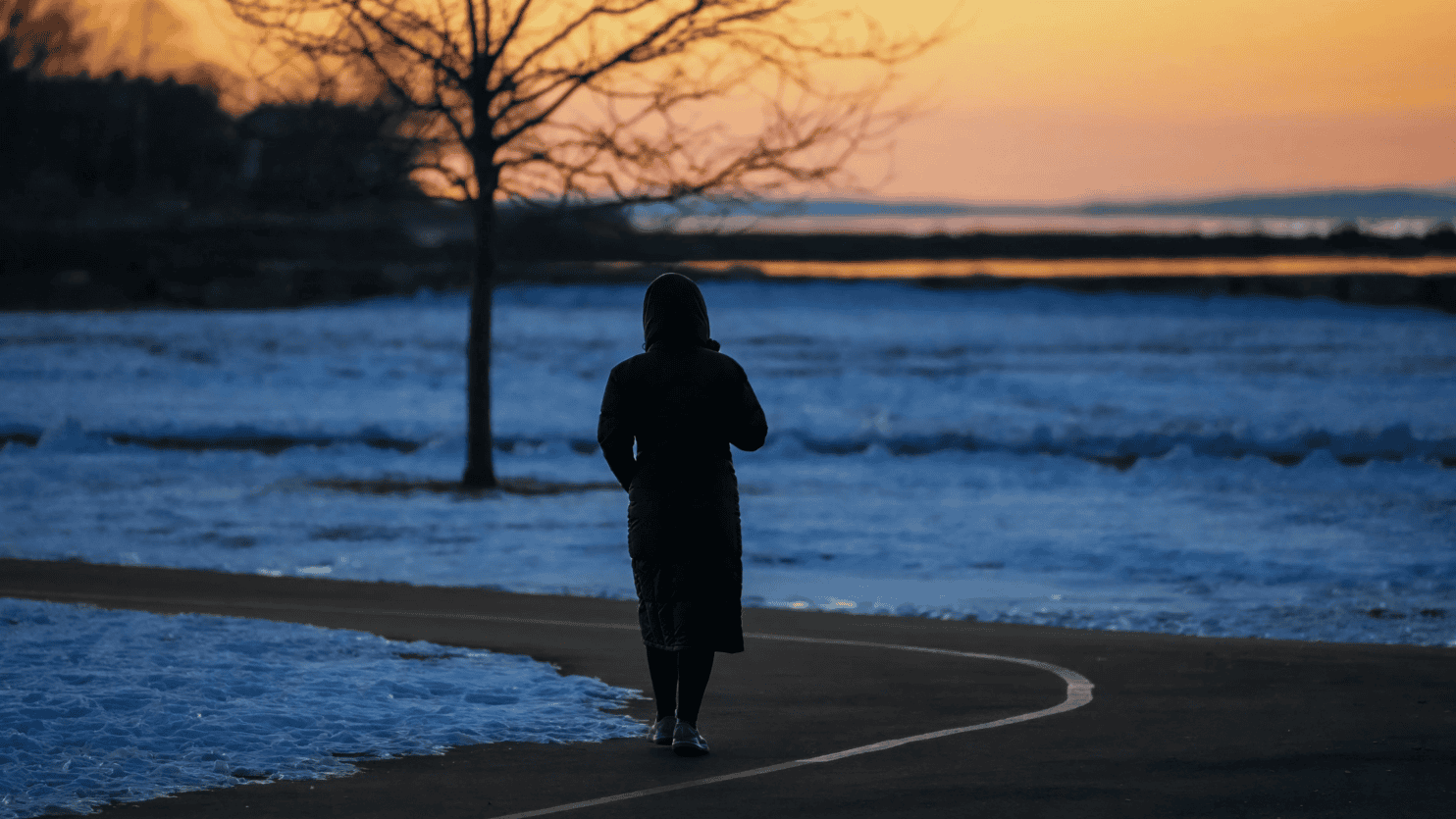
As daylight hours shrink during fall and winter, many people find it harder to stay active. Colder temperatures, darker mornings, and early sunsets can disrupt routines—especially for those managing chronic pain, joint conditions, or recovering from injury. However, staying active remains one of the most important ways to support mobility, circulation, and overall well-being. With the right strategies, you can continue moving safely and confidently, even when daylight is limited.
Why Staying Active Matters—Especially in Winter
Reduced activity during darker months can lead to stiffness, muscle weakness, joint pain, and increased fall risk. For individuals with arthritis, neuropathy, back pain, or balance issues, inactivity can quickly worsen symptoms. Regular, safe movement helps:
- Maintain joint flexibility and muscle strength
- Improve balance and coordination
- Support circulation and nerve health
- Reduce pain flares and stiffness
- Boost mood and energy levels
The key is adapting your activity routine to seasonal challenges rather than stopping altogether.
Adjust Your Schedule to Maximize Daylight
When possible, plan outdoor activities earlier in the day. Even short walks during daylight hours can improve safety and motivation. If mornings feel stiff, try gentle stretching or warm-up exercises indoors before heading outside to reduce injury risk.
For those who work during the day, weekends and lunch breaks may offer opportunities for daylight movement.
Make Indoor Movement a Priority
When outdoor conditions aren’t ideal, indoor activity becomes essential. Safe, effective indoor options include:
- Stretching or mobility routines
- Chair exercises or low-impact strength training
- Yoga or Pilates for balance and flexibility
- Stationary biking or treadmill walking
- Guided exercise videos tailored to pain conditions
Consistency matters more than intensity—short, regular sessions can be just as beneficial as longer workouts.
Dress and Equip Yourself for Safety
If you do exercise outdoors during low-light hours, safety is critical. Consider:
- Wearing reflective clothing or light-up gear
- Using a headlamp or flashlight
- Choosing well-lit, familiar routes
- Wearing supportive footwear with good traction
- Avoiding uneven or icy surfaces
Cold muscles are more prone to injury, so warming up properly before activity is especially important in colder months.
Focus on Balance and Fall Prevention
Shorter daylight hours and slippery conditions increase fall risk, particularly for older adults or those with nerve or joint conditions. Incorporating balance-focused exercises—such as standing leg lifts, heel-to-toe walking, or supervised balance training—can significantly reduce injury risk.
If balance issues are present, a physical therapist or pain specialist can recommend targeted exercises and supportive interventions.
Listen to Your Body and Modify as Needed
Pain, fatigue, and stiffness may fluctuate more during colder months. Pay attention to warning signs and modify activity levels when needed. Movement should feel supportive, not punishing. On tougher days, gentle stretching or range-of-motion exercises may be enough to maintain progress.
When to Seek Professional Guidance
If pain, weakness, or balance concerns are limiting your ability to stay active, a pain management specialist can help. Interventional treatments, physical therapy, regenerative options, and personalized movement plans can reduce pain and improve function—making safe activity more achievable year-round.
Staying Active All Year Long
Shorter daylight hours don’t have to mean less movement. With thoughtful planning, safe adaptations, and professional support when needed, staying active through fall and winter is both possible and beneficial. Maintaining movement now helps preserve independence, reduce pain, and support long-term health—no matter the season.
Oops! We could not locate your form.