
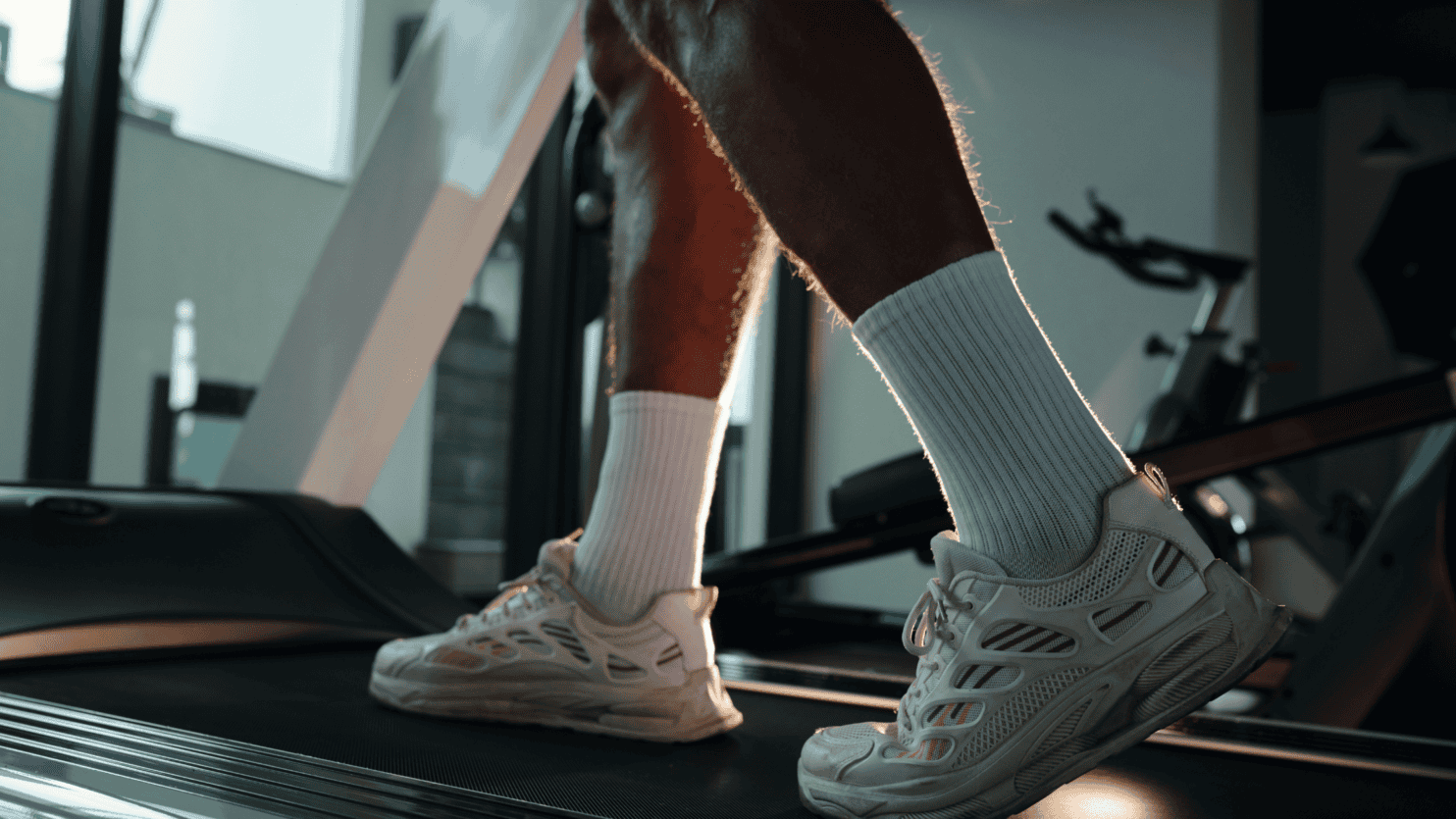
Taking a break from exercise happens to almost everyone at some point. Whether the pause was due to injury, chronic pain, illness, a busy schedule, or lifestyle changes, returning to physical activity can feel both exciting and intimidating. Many people are eager to jump back into their previous routines, but doing too much too quickly can lead to setbacks, injuries, or increased pain.
The key to a successful return to fitness is a gradual, thoughtful approach that allows the body to rebuild strength, endurance, and mobility safely.
Why Easing Back Into Exercise Matters
After weeks or months without regular activity, the body experiences several changes. Muscles may lose strength and flexibility, cardiovascular endurance can decrease, and joints may become stiffer. Even individuals who were once very active may find their previous workout routines feel much more challenging.
Jumping directly into high-intensity workouts increases the risk of:
- Muscle strains
- Joint inflammation
- Tendon injuries
- Flare-ups of chronic pain
- Fatigue and burnout
A gradual return helps the body adapt again while minimizing the risk of injury.
Start With a Realistic Plan
Setting achievable goals is essential when returning to exercise. Instead of aiming to immediately reach previous performance levels, focus on rebuilding consistency.
Helpful starting points include:
- Shorter workouts (20–30 minutes)
- Lower intensity activities
- Two to three sessions per week
- Extra time for warm-ups and cool-downs
Progress can be increased gradually over several weeks as strength and endurance improve.
Prioritize Mobility and Flexibility
Mobility work is one of the most important steps when restarting a fitness routine. Gentle stretching and controlled movement help prepare muscles and joints for activity while improving range of motion.
Consider incorporating:
- Dynamic stretching before exercise
- Light yoga or mobility routines
- Foam rolling or soft tissue work
- Gentle range-of-motion exercises
These techniques can reduce stiffness and lower the risk of injury during workouts.
Focus on Proper Form First
When returning after a long break, proper technique should always take priority over intensity. Lifting lighter weights, running at a slower pace, or performing fewer repetitions allows the body to relearn safe movement patterns.
Poor form combined with fatigue is one of the most common causes of exercise-related injuries. Paying attention to alignment and control can make workouts safer and more effective.
Listen to Your Body
Some mild soreness is normal when restarting physical activity. However, sharp pain, swelling, or persistent discomfort may signal that the body needs more recovery time.
Warning signs that should not be ignored include:
- Sudden joint pain
- Pain that worsens during activity
- Numbness or tingling
- Pain that does not improve with rest
If these symptoms occur, reducing intensity or consulting a healthcare professional may be necessary.
Consider Professional Guidance
For individuals recovering from injury, managing chronic pain, or returning to exercise after a medical condition, professional guidance can be especially helpful. Physical therapists, athletic trainers, and pain specialists can design personalized exercise programs that rebuild strength safely while addressing underlying issues.
Structured rehabilitation programs often focus on restoring mobility, strengthening stabilizing muscles, and correcting movement patterns that may contribute to pain or injury.
Building Long-Term Success
Returning to fitness is not about immediately reaching previous performance levels. Instead, the goal is to rebuild a sustainable routine that supports long-term health.
Some helpful strategies include:
- Scheduling workouts consistently
- Cross-training with different activities
- Prioritizing recovery and sleep
- Staying hydrated and maintaining balanced nutrition
Moving Forward Safely
Taking the first steps back into exercise after a long break is a positive decision for both physical and mental health. By progressing gradually, focusing on proper technique, and listening to the body, individuals can safely return to fitness while reducing the risk of injury.
With patience and consistency, it is possible to rebuild strength, restore mobility, and enjoy the many benefits of an active lifestyle again.
[gravityform id=10 title=false description=false]