
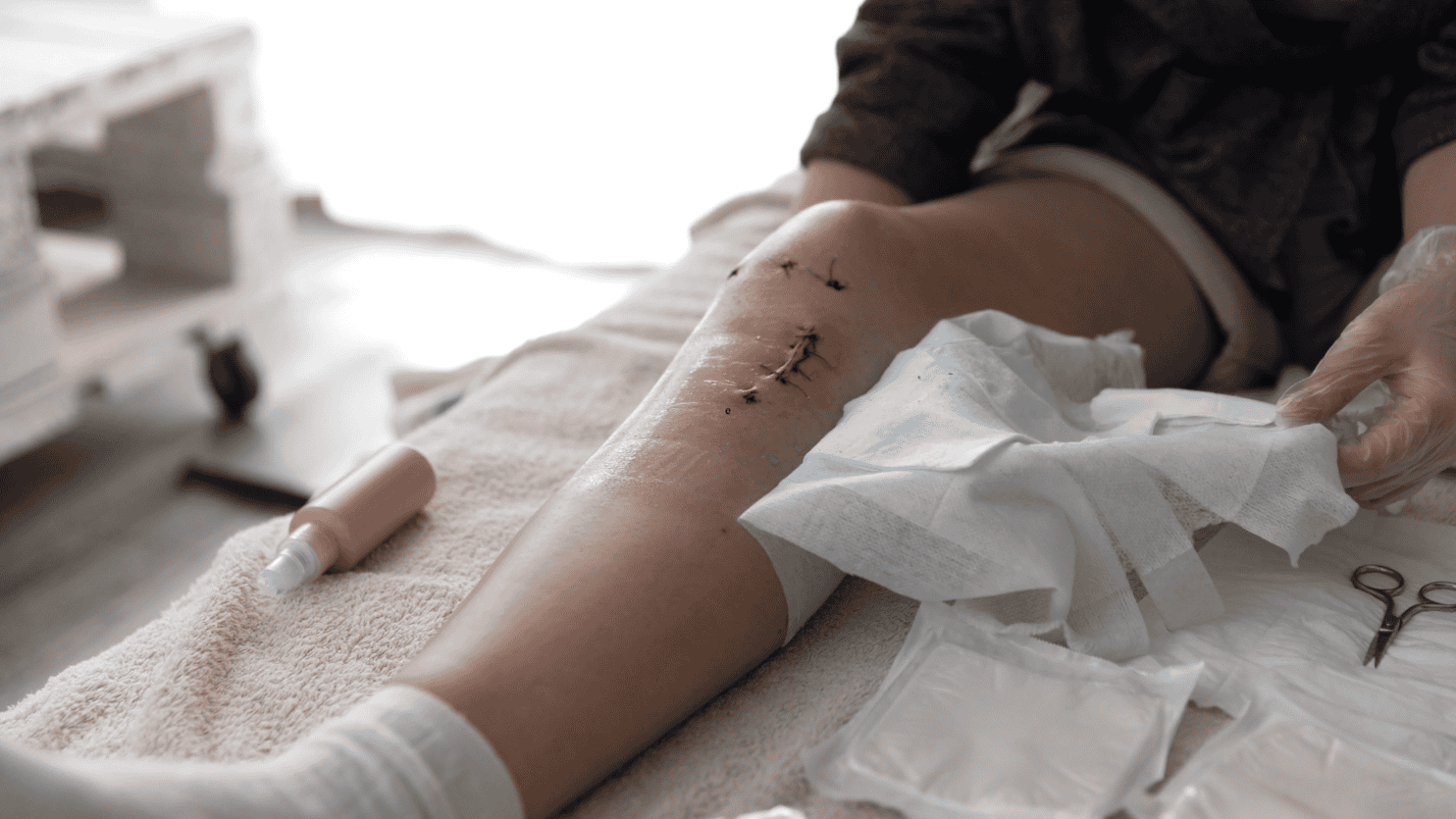
Recovering from surgery can be challenging in any season, but winter brings unique considerations that can affect your healing process. Cold temperatures, icy conditions, shorter daylight hours, and seasonal illnesses can all impact your recovery. Understanding the challenges and taking proactive steps can help ensure a safe and smooth healing process.
1. Keep Warm and Comfortable
Cold weather can slow circulation and make muscles and joints stiffer, which may increase discomfort after surgery. Keeping your home warm and wearing appropriate layers can help maintain comfort and prevent muscle tightness. Use blankets, heating pads (if approved by your healthcare provider), and warm socks to keep extremities protected.
2. Prevent Slips and Falls
Icy sidewalks, snow, and wet surfaces increase the risk of falls—especially after surgery when balance and mobility may be limited. Consider the following precautions:
- Clear pathways around your home of ice and snow.
- Use non-slip mats indoors, particularly near entrances and bathrooms.
- Wear footwear with good traction if you need to go outside.
- Ask a friend, neighbor, or family member for help when navigating outdoor areas.
3. Manage Pain and Swelling
Cold weather can exacerbate joint and muscle pain. Follow your healthcare provider’s guidance on managing post-surgical pain and swelling. This may include:
- Taking medications as prescribed.
- Elevating the affected area to reduce swelling.
- Using ice or heat therapy cautiously, as advised by your provider.
- Gentle mobility exercises to promote circulation, if recommended.
4. Stay Active Indoors
Winter often means reduced outdoor activity, which can lead to stiffness and delayed healing. Engaging in safe, low-impact exercises indoors can help:
- Short walks around your home.
- Gentle stretching to maintain flexibility.
- Physical therapy exercises prescribed by your surgeon or physical therapist.
Always consult your healthcare team before starting any exercise routine post-surgery.
5. Protect Against Illness
Winter brings flu, colds, and other viral infections that can complicate recovery. A strong immune system supports healing, so consider these tips:
- Wash your hands regularly and practice good hygiene.
- Maintain a healthy diet rich in vitamins, protein, and fluids.
- Stay up to date on vaccinations, including flu and COVID-19 vaccines.
- Limit exposure to crowded places if possible during peak illness season.
6. Monitor Your Recovery Closely
Cold weather or seasonal factors may mask certain post-surgical symptoms. Keep an eye out for:
- Signs of infection, including redness, swelling, or unusual discharge.
- Fever or chills.
- Sudden increase in pain or decreased mobility.
Report any concerning symptoms to your healthcare provider promptly. Early intervention can prevent complications.
7. Plan for Transportation and Appointments
Winter weather can disrupt travel and appointments. Prepare in advance by:
- Scheduling follow-up appointments with flexibility for inclement weather.
- Ensuring reliable transportation that can handle icy or snowy conditions.
- Having emergency contact numbers handy in case you need assistance.
8. Create a Comfortable Healing Environment
A safe and supportive home environment is crucial for recovery. Consider:
- Keeping frequently used items within easy reach to avoid unnecessary bending or stretching.
- Arranging your home to minimize tripping hazards.
- Using supportive pillows or cushions to improve comfort while sitting or resting.
Conclusion
Recovery from surgery during the winter months requires careful planning and extra attention to safety, warmth, and overall health. By taking preventive measures, staying active indoors, protecting against illness, and monitoring your recovery closely, you can reduce risks and support your healing process. Always follow your healthcare provider’s guidance, and don’t hesitate to reach out with any concerns.
A little preparation can make winter recovery safer, more comfortable, and more effective, helping you get back to your daily activities with confidence.
Oops! We could not locate your form.