
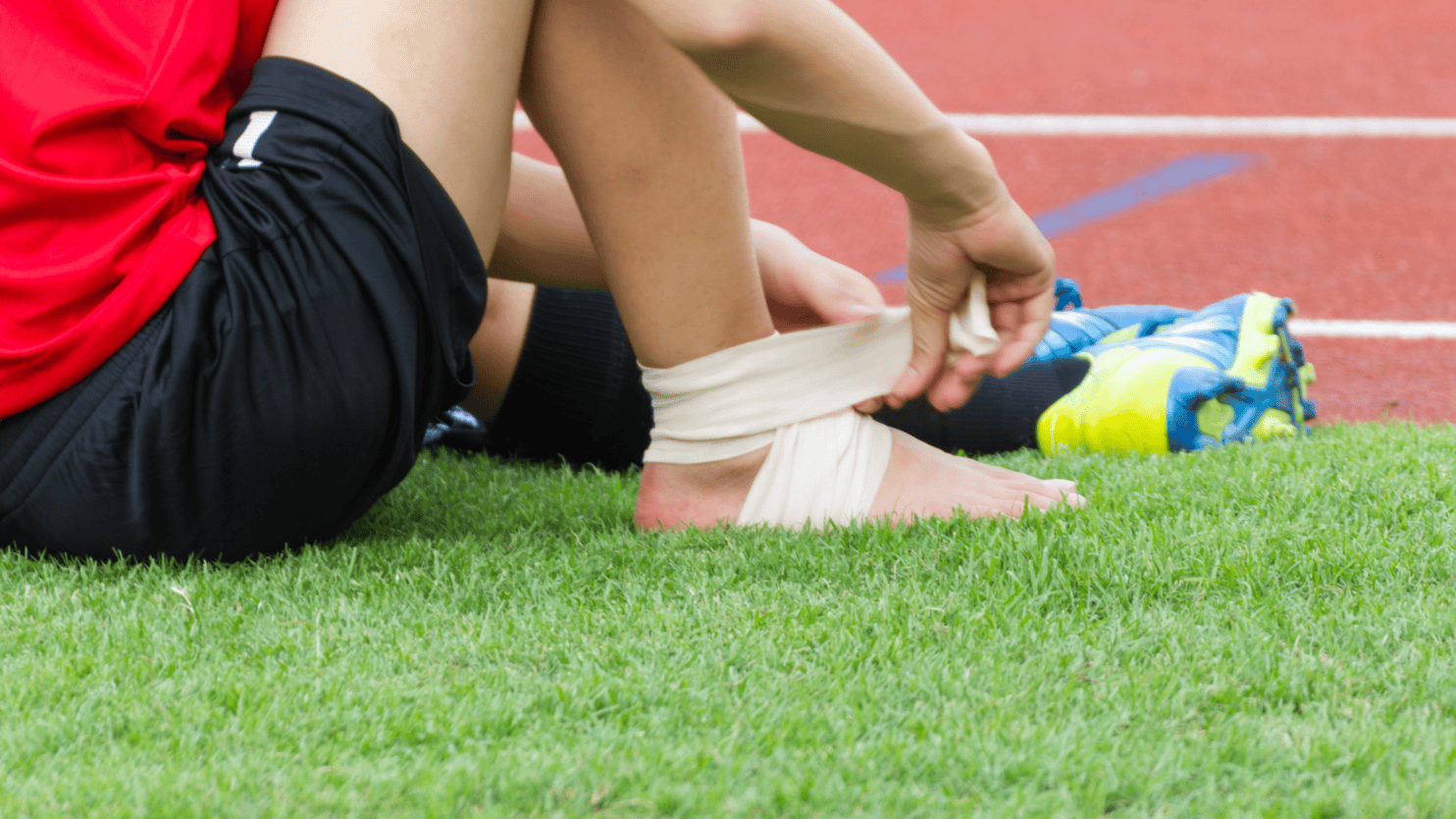
Recovery After Sports Injuries: What Athletes Need to Know
Sports injuries are common for athletes of all levels, from weekend runners to competitive professionals. Whether the injury is a sprained ankle, torn ligament, strained muscle, or shoulder injury, the recovery process plays a critical role in how quickly and safely someone can return to activity. Proper recovery is about more than just waiting for pain to disappear—it requires a thoughtful plan that supports healing, restores strength, and helps prevent future injuries.
Understanding the stages of recovery after a sports injury can help athletes stay patient, motivated, and focused on long-term health.
The Importance of Proper Diagnosis
The first step after a sports injury is obtaining an accurate diagnosis. Many people try to “push through” pain or assume the injury will heal on its own, but untreated injuries can worsen over time and lead to chronic problems.
Medical providers may use physical examinations, functional testing, and imaging studies to identify the exact cause of pain. A proper diagnosis allows clinicians to develop a targeted treatment plan that addresses the injured tissues and promotes safe healing.
Early evaluation is especially important for injuries involving joints, ligaments, or the spine, as these conditions may require specific treatment approaches to prevent long-term complications.
Phase 1: Immediate Care and Inflammation Control
The early stage of recovery focuses on reducing inflammation and protecting the injured area. This phase typically lasts several days to a couple of weeks depending on the severity of the injury.
- Rest and temporary activity modification
- Ice therapy to reduce swelling
- Compression and elevation
- Anti-inflammatory medications when appropriate
In some cases, braces, slings, or supportive devices may be recommended to stabilize the injured area. The goal during this stage is to allow the body’s natural healing processes to begin while preventing further damage.
Although rest is important initially, prolonged inactivity can slow recovery. As symptoms improve, gentle movement is often introduced to maintain joint mobility and circulation.
Phase 2: Restoring Mobility and Flexibility
Once pain and swelling begin to decrease, the next stage of recovery focuses on restoring mobility and flexibility. Injuries often cause surrounding muscles and joints to stiffen, which can limit movement and delay healing if not addressed.
Physical therapy is commonly introduced during this phase. A physical therapist may guide patients through targeted exercises designed to:
- Improve joint mobility
- Restore range of motion
- Reduce stiffness
- Promote healthy movement patterns
Gentle stretching and controlled movements help prevent scar tissue from limiting function. This stage is essential for ensuring that the injured area can move properly before progressing to more demanding activities.
Phase 3: Strength and Stability Training
After mobility improves, strengthening the affected muscles becomes the next priority. Muscle weakness frequently develops after an injury due to disuse or protective guarding by the body.
Strengthening exercises help stabilize joints, improve balance, and restore athletic performance. Training often includes:
- Progressive resistance exercises
- Core stabilization work
- Balance and coordination drills
- Sport-specific movement training
This phase is crucial because returning to activity before strength has been fully restored significantly increases the risk of reinjury.
Phase 4: Returning to Activity
The final stage of recovery focuses on safely returning to sports or exercise. This process should be gradual and guided by medical professionals when possible.
Return-to-play protocols often include:
- Functional movement testing
- Sport-specific drills
- Gradual increases in intensity and duration
Athletes should be able to move without pain, demonstrate normal strength, and perform sport-related movements confidently before resuming full participation.
Supporting Recovery With Advanced Treatments
While many sports injuries heal with conservative care, some cases benefit from advanced treatment options. Interventional therapies may help reduce inflammation, relieve pain, and accelerate recovery when standard treatments are not enough.
Examples may include targeted injections, regenerative therapies, or minimally invasive procedures designed to support tissue healing.
Preventing Future Injuries
Recovery from a sports injury should also include strategies to prevent recurrence. Many injuries occur because of muscle imbalances, poor biomechanics, or inadequate conditioning.
- Maintaining strength and flexibility programs
- Warming up properly before activity
- Using proper technique during sports
- Allowing adequate rest and recovery time
- Addressing minor aches before they become serious injuries
The Takeaway
Recovering from a sports injury takes time, patience, and a structured plan. By focusing on proper diagnosis, progressive rehabilitation, and gradual return to activity, athletes can improve their chances of making a full recovery.
With the right care and attention to injury prevention, most individuals can safely return to the activities they enjoy while protecting their long-term health and performance.
Oops! We could not locate your form.