
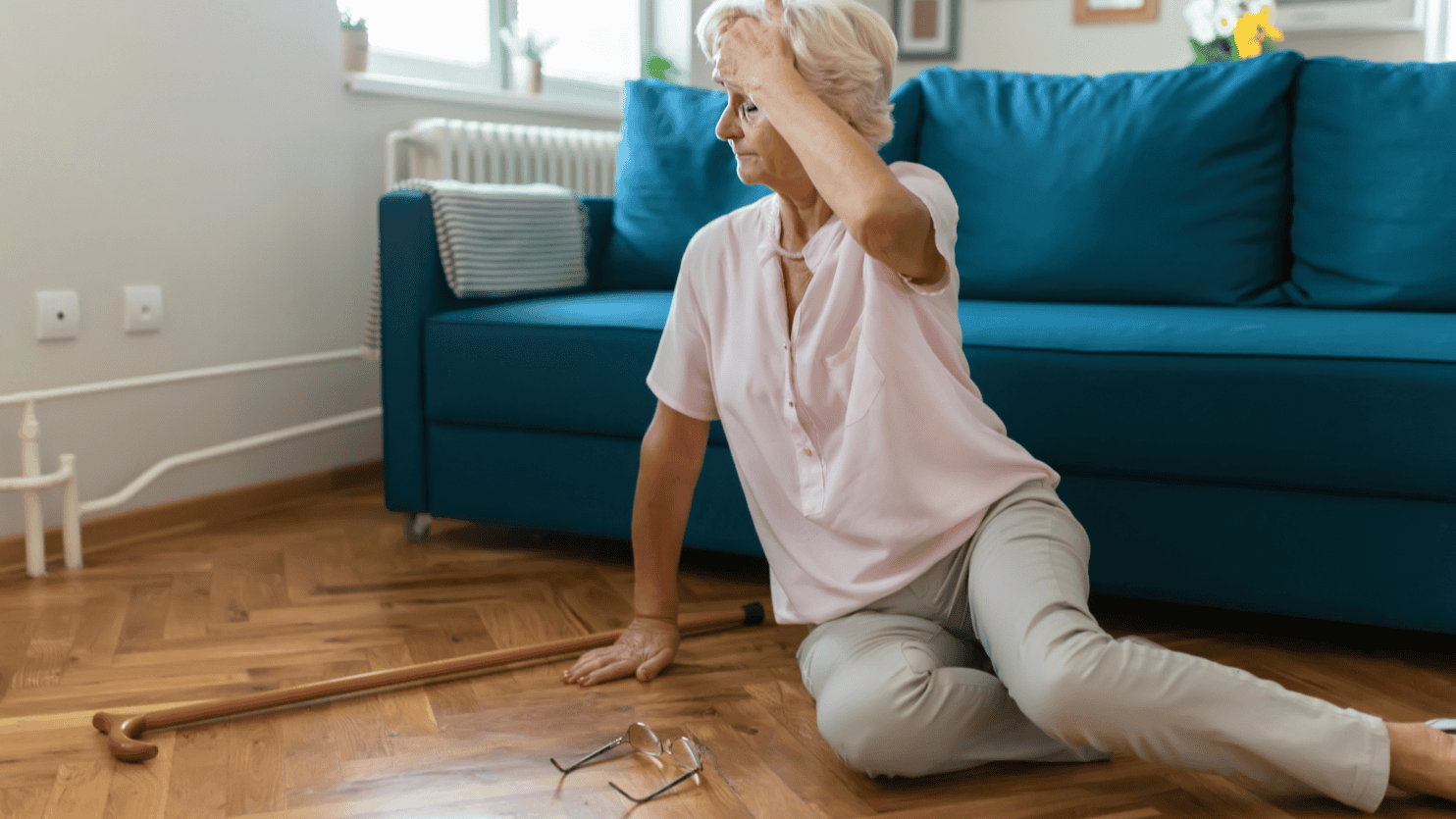
Falls become a greater concern with age, but falling is not an inevitable part of getting older. After age 60, changes in muscle strength, coordination, vision, joint mobility, and balance can make it harder to stay steady. The good news is that balance can be improved through regular exercise and targeted balance training.
For older adults, improving balance is about more than preventing a stumble. Better balance can reduce the likelihood of falls, which may help prevent serious injuries such as hip fractures, wrist fractures, and spinal fractures. Incorporating balance exercises into a regular fitness routine can also support independence and confidence in everyday activities.
Why Does Fall Risk Increase After Age 60?
Fall risk can increase with age for several reasons. Muscle mass and strength naturally decline over time, particularly when a person is physically inactive. Changes in vision, slower reaction times, reduced flexibility, and problems with coordination can also affect stability.
Certain health conditions, joint problems, previous injuries, and medications may further increase the risk of falling. Environmental hazards, such as loose rugs, poor lighting, uneven surfaces, and clutter, can also contribute.
Although some age-related changes cannot be completely prevented, regular physical activity can help maintain the strength, coordination, and balance needed for safer movement.
How Can Balance Training Help Prevent Falls?
Balance training teaches the body to remain stable while standing, walking, changing direction, or responding to unexpected movements. These exercises challenge the muscles and nervous system responsible for maintaining stability.
Regular balance exercises may improve:
- Stability while standing and walking
- Coordination and body awareness
- Lower-body strength
- Reaction time
- Flexibility and mobility
- Confidence during everyday activities
Balance training is particularly useful when combined with strength and aerobic exercise. A well-rounded exercise program can help older adults maintain physical function and make everyday movements, such as climbing stairs or getting out of a chair, easier and safer.
What Are Some Effective Balance Exercises for Older Adults?
Balance exercises do not necessarily require special equipment. Many can be performed at home with a sturdy chair, countertop, or other stable surface nearby for support.
Standing on One Foot
Standing on one foot challenges stability and coordination. Begin while holding a sturdy surface for support. As balance improves, the amount of support can gradually be reduced.
Heel-to-Toe Walking
Walking in a straight line while placing one foot directly in front of the other challenges balance and coordination. This exercise should be performed in a safe area free of obstacles.
Sit-to-Stand Exercises
Repeatedly standing up from a sturdy chair and sitting back down helps strengthen the legs and hips. Stronger lower-body muscles can make it easier to maintain stability and recover from a loss of balance.
Heel and Toe Raises
Rising onto the toes and then lifting the toes while keeping the heels on the floor can strengthen the lower legs and improve control around the ankles.
Side-Stepping
Taking controlled steps from side to side can strengthen the muscles around the hips and legs while challenging the body’s ability to maintain balance during lateral movement.
Why Is Strength Training Important for Fall Prevention?
Balance is only one part of fall prevention. Muscle strength also plays an important role in maintaining stability and recovering when balance is disrupted.
Strong legs and hips can help a person climb stairs, rise from a chair, step over obstacles, and respond more effectively to an unexpected loss of balance. Strength training may also help counter age-related muscle loss.
Exercises can include bodyweight movements, resistance bands, light weights, or supervised strength-training equipment. The appropriate exercises and resistance level depend on an individual’s fitness level, medical history, and physical abilities.
Can Balance Training Help Reduce Fracture Risk?
Balance training can help reduce fracture risk indirectly by reducing the likelihood of falls. Falls are a major cause of fractures among older adults, particularly fractures involving the hip, wrist, pelvis, and spine.
However, preventing fractures involves more than improving balance. Bone health also becomes increasingly important with age. Conditions such as osteoporosis can weaken bones and make fractures more likely when a fall occurs.
A comprehensive approach to fracture prevention may include regular weight-bearing and strengthening exercises, appropriate nutrition, maintaining healthy vitamin and mineral intake, addressing vision problems, and making the home environment safer.
People concerned about osteoporosis or fracture risk should discuss appropriate screening and prevention strategies with a healthcare professional.
How Can Older Adults Make Balance Exercises Safer?
Safety should come first when beginning balance training. Older adults who are unsteady should avoid performing challenging exercises without appropriate support or supervision.
Helpful precautions include:
- Exercise near a sturdy chair, countertop, or railing.
- Remove clutter and tripping hazards from the exercise area.
- Wear supportive, properly fitting footwear.
- Start with simple exercises and gradually increase difficulty.
- Avoid exercising on slippery or uneven surfaces.
- Consider working with a physical therapist if balance problems are significant.
Anyone who has recently experienced a fall, feels unusually unsteady, or has difficulty walking should consider discussing an exercise program with a healthcare professional before starting more challenging balance exercises.
How Often Should Adults Over 60 Practice Balance Exercises?
Consistency is more important than performing complicated exercises. Balance activities can be incorporated into a regular exercise routine several times a week. Even short sessions can provide an opportunity to practice stability and coordination.
The goal should be gradual improvement rather than trying to perform difficult exercises immediately. As strength and balance improve, exercises can be modified to provide an appropriate challenge.
What Else Can Help Prevent Falls After Age 60?
Balance training is one part of a broader fall-prevention strategy. Older adults can also reduce fall risk by keeping walkways clear, improving lighting, installing handrails where appropriate, wearing supportive footwear, and addressing vision or hearing changes.
Regular medical and physical assessments may also identify issues that contribute to instability. Persistent dizziness, weakness, numbness, or difficulty walking should not simply be attributed to aging.
The Bottom Line
Falls can have serious consequences after age 60, but many risk factors can be addressed. Balance training, strength exercises, regular physical activity, and a safer home environment can all contribute to better stability and mobility.
Improving balance does not require becoming an athlete. Simple exercises performed consistently can help older adults maintain strength, coordination, confidence, and independence while reducing the likelihood of falls that could lead to fractures.
This article is intended for educational purposes only and is not a substitute for individualized medical advice, diagnosis, or treatment. Anyone with significant balance problems, a history of falls, or an underlying medical condition should consult an appropriate healthcare professional before beginning a new exercise program.
[gravityform id=10 title=false description=false]