
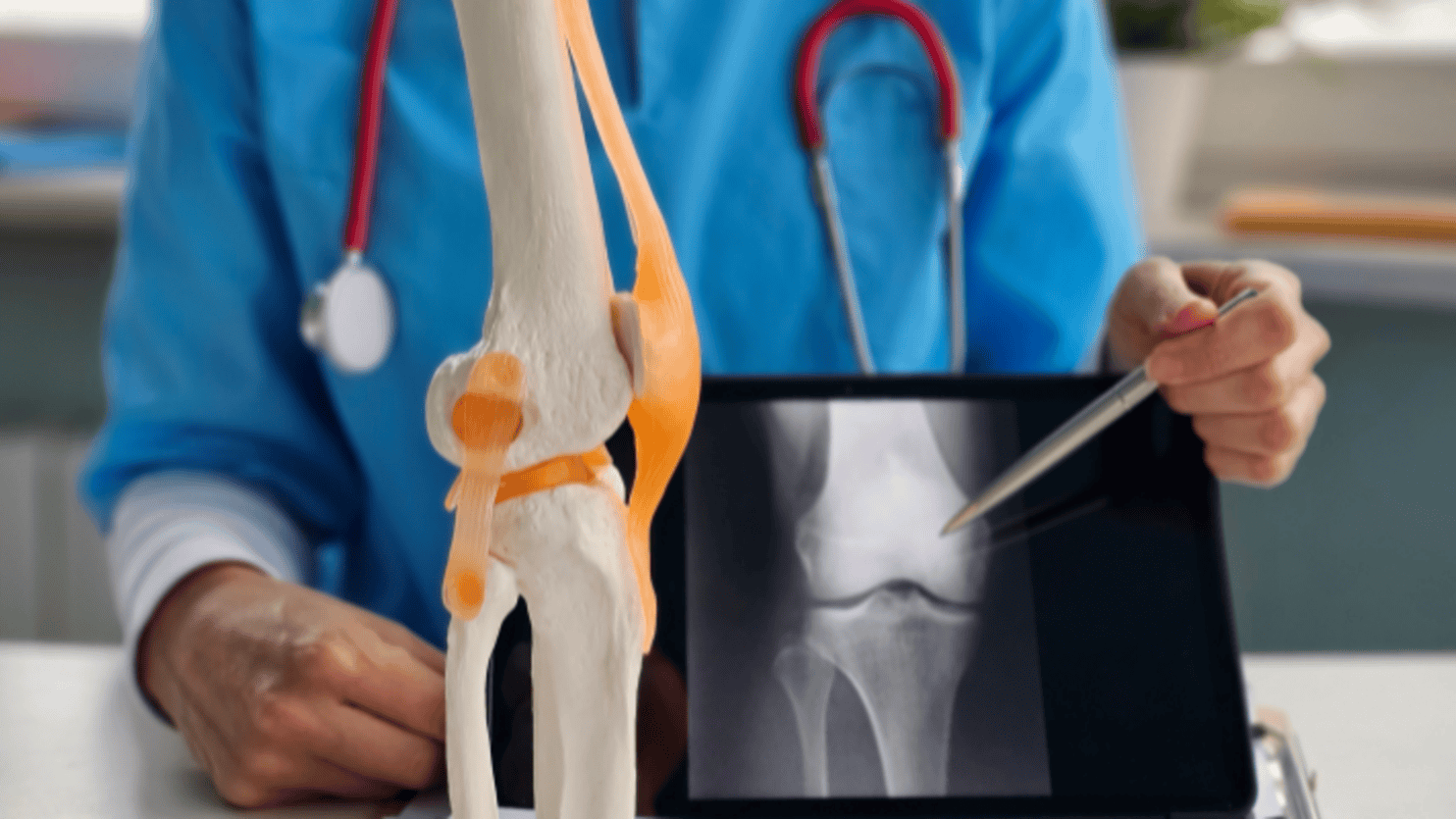
Knee pain is one of the most common musculoskeletal complaints among adults. Whether it develops suddenly after an injury or gradually over time, knee discomfort can interfere with everyday activities like walking, exercising, climbing stairs, or even standing for long periods. Because the knee joint plays such a crucial role in movement and weight-bearing, even minor problems can significantly affect mobility and quality of life.
Understanding the common causes of knee pain—and recognizing when it’s time to seek help from an orthopedic specialist—can help patients get the right treatment sooner and prevent long-term joint damage.
Why the Knee Is Vulnerable to Injury
The knee is the largest joint in the body and one of the most complex. It connects the thigh bone (femur), shin bone (tibia), and kneecap (patella), while also relying on ligaments, tendons, cartilage, and muscles to function properly.
Because the knee supports much of the body’s weight and absorbs impact during movement, it is especially vulnerable to injuries, overuse, and degenerative conditions.
Common Causes of Knee Pain
Osteoarthritis
Osteoarthritis is one of the most common causes of knee pain, particularly in adults over age 50. This condition occurs when the protective cartilage that cushions the ends of bones gradually wears down over time.
- Stiffness in the joint, especially in the morning
- Pain that worsens with activity
- Swelling around the knee
- A grinding or clicking sensation during movement
As the condition progresses, the joint may lose flexibility and become increasingly painful.
Ligament Injuries
Ligament injuries often occur during sports or physical activity when the knee is twisted or forced in an unnatural direction. The most common ligament injuries include ACL, MCL, and PCL injuries.
These injuries can cause sudden pain, swelling, instability, and difficulty bearing weight on the affected leg.
Meniscus Tears
The meniscus is a piece of cartilage that acts as a cushion between the thigh bone and shin bone. A meniscus tear can occur during activities that involve twisting or rotating the knee, such as pivoting during sports.
- Pain when twisting or bending the knee
- Swelling within 24 hours of injury
- A popping sensation at the time of injury
- Difficulty fully straightening the leg
Tendinitis
Tendinitis occurs when the tendons around the knee become inflamed due to overuse or repetitive stress. One of the most common forms is patellar tendinitis, often called “jumper’s knee.”
Bursitis
Knee bursitis develops when the small fluid-filled sacs that cushion the joint become inflamed. This condition may result from repetitive kneeling, prolonged pressure, or direct trauma.
Overuse and Strain
Overuse injuries such as patellofemoral pain syndrome—commonly called “runner’s knee”—can cause aching pain around the kneecap that worsens during activities like climbing stairs or sitting for long periods.
When to See an Orthopedic Specialist
While mild knee pain may improve with rest, ice, and over-the-counter medications, some symptoms require medical evaluation.
- Knee pain lasting longer than a few weeks
- Persistent swelling or stiffness
- Difficulty walking or bearing weight
- A feeling that the knee is unstable or “giving out”
- Inability to fully straighten or bend the knee
- Severe pain after an injury
How Orthopedic Specialists Diagnose Knee Pain
An orthopedic specialist will begin with a detailed medical history and physical examination. Imaging tests such as X-rays, MRI scans, or ultrasound may be used to identify ligament injuries, cartilage damage, arthritis, or inflammation.
Treatment Options for Knee Pain
Depending on the diagnosis, treatment options may include:
- Physical therapy to strengthen the muscles around the knee
- Anti-inflammatory medications
- Bracing or supportive devices
- Activity modification
- Corticosteroid or other targeted injections
In more severe cases, surgical procedures such as arthroscopy or knee replacement may be recommended.
Don’t Ignore Persistent Knee Pain
Knee pain is common, but it should not be ignored when it interferes with daily life. Early evaluation and treatment can help relieve pain, restore mobility, and prevent further joint damage. If knee discomfort persists, consulting an orthopedic specialist can help determine the cause and guide you toward the most effective treatment.
[gravityform id=10 title=false description=false]