
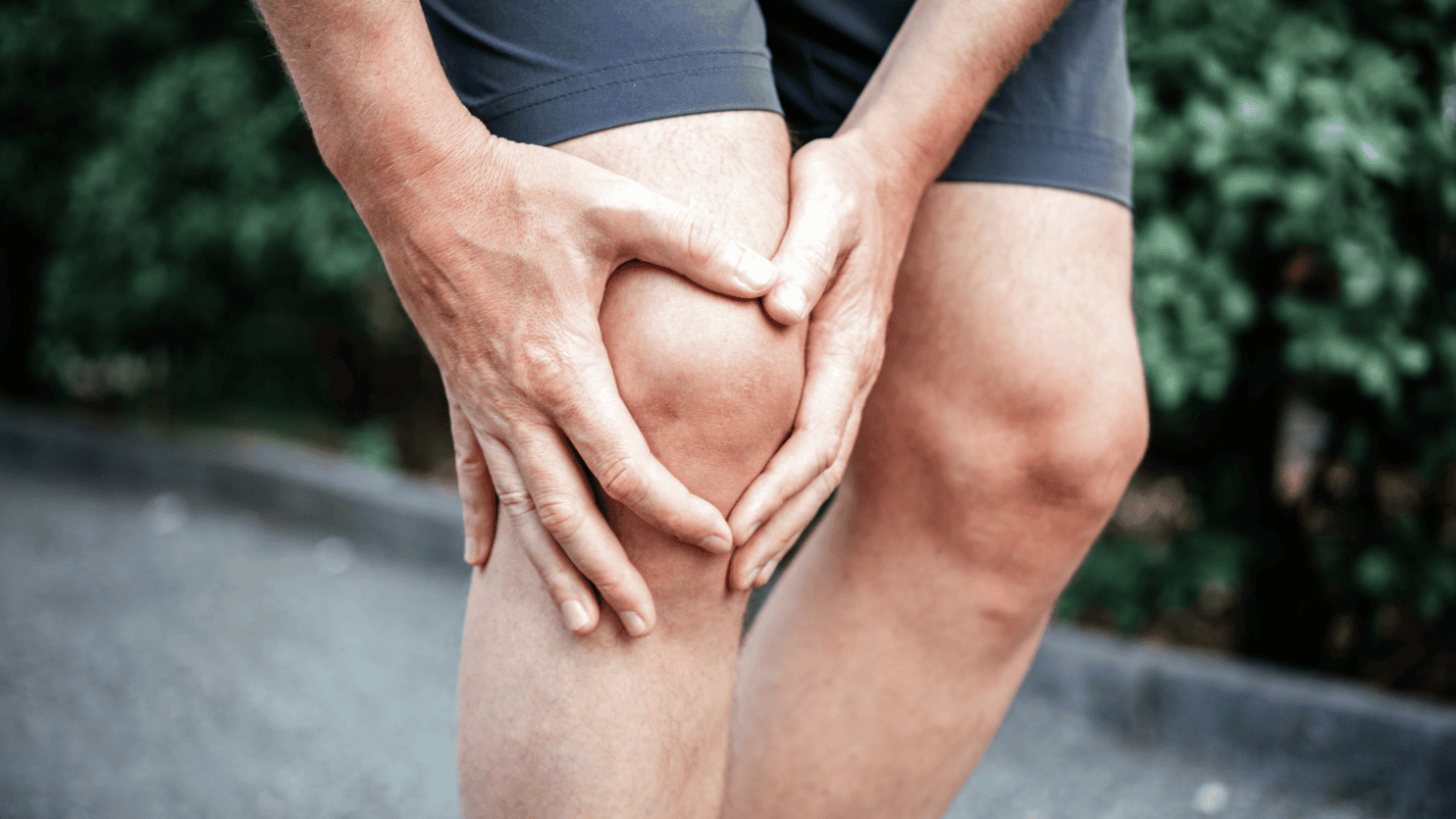
Knee pain can develop suddenly after a sports injury or gradually as the knee changes with age. One common cause is a meniscus tear, an injury involving the cartilage that cushions and stabilizes the knee joint. Meniscus tears can affect people of all ages, from athletes who make sudden twisting movements to older adults experiencing age-related cartilage degeneration.
Understanding the symptoms, diagnostic process, and available treatment options can help patients recognize when knee pain requires medical attention. Early evaluation can also help determine the most appropriate approach to restoring knee function, reducing discomfort, and maintaining an active lifestyle.
What Is a Meniscus Tear?
A meniscus tear is an injury to one of the two C-shaped pieces of cartilage located between the thighbone (femur) and shinbone (tibia). Each knee has a medial meniscus on the inner side and a lateral meniscus on the outer side.
The menisci serve several important functions, including:
- Absorbing shock during walking, running, and other activities.
- Distributing body weight across the knee joint.
- Improving joint stability.
- Reducing friction between the bones.
- Supporting smooth knee movement.
A meniscus tear occurs when this cartilage becomes damaged or develops a split. The injury may involve a small portion of the cartilage or extend through a larger section, potentially interfering with normal knee movement.
What Causes a Meniscus Tear?
Meniscus tears generally develop through an acute injury or gradual cartilage degeneration. Acute tears frequently occur during activities that involve twisting, pivoting, or suddenly changing direction while the foot remains planted.
Common causes include:
- Sports injuries: Basketball, soccer, football, and tennis involve movements that place stress on the knee.
- Sudden twisting: Rotating the knee while bearing weight can cause the meniscus to tear.
- Deep squatting: Repeated or forceful deep squatting can increase pressure on the knee cartilage.
- Age-related degeneration: As people get older, the meniscus becomes less flexible and more vulnerable to tearing.
- Everyday movements: Degenerative meniscus tears can develop during routine activities, such as standing up from a chair or getting out of a vehicle.
Younger patients are more likely to experience traumatic tears, while older adults frequently develop degenerative tears associated with normal wear and tear.
What Are the Most Common Symptoms of a Meniscus Tear?
Meniscus tear symptoms vary depending on the location and severity of the injury. Some people experience immediate pain, while others notice discomfort that gradually worsens over several days.
Common symptoms include:
- Knee pain: Discomfort often develops along the inner or outer joint line, depending on which meniscus is injured.
- Swelling: Inflammation may develop within the first 24 to 48 hours following an injury.
- Stiffness: The knee may feel tight or difficult to bend and straighten.
- Catching or locking: A torn piece of cartilage may interfere with normal joint movement.
- Clicking or popping: Some patients notice unusual sensations when bending or rotating the knee.
- Instability: The knee may feel as though it is giving way during walking or physical activity.
- Limited range of motion: Pain and swelling can make it difficult to fully extend or bend the knee.
Symptoms may become more noticeable during activities such as climbing stairs, squatting, kneeling, or turning while walking. A knee that becomes completely locked or cannot fully straighten should be evaluated promptly.
How Is a Meniscus Tear Diagnosed?
Diagnosing a meniscus tear typically involves a physical examination, a review of the patient’s symptoms, and imaging when necessary. Because several knee conditions can produce similar symptoms, an accurate diagnosis is important for selecting an appropriate treatment plan.
During an examination, a physician may ask when the pain started, whether an injury occurred, and which movements make symptoms worse.
The physical examination may include:
- Checking for swelling and tenderness along the knee joint.
- Evaluating the knee’s range of motion.
- Assessing joint stability.
- Performing specific movements that place pressure on the meniscus.
One commonly used examination is the McMurray test, which involves bending and rotating the knee to identify potential meniscus damage.
Can an MRI Confirm a Meniscus Tear?
Yes. Magnetic resonance imaging (MRI) is frequently used to evaluate suspected meniscus injuries. An MRI provides detailed images of the soft tissues inside the knee, allowing physicians to identify tears and evaluate surrounding structures, including ligaments and cartilage.
X-rays may also be ordered to evaluate the bones and identify arthritis or other conditions that could contribute to knee pain. However, X-rays generally do not show meniscus tears because the meniscus is made of cartilage.
What Are the Treatment Options for a Meniscus Tear?
Meniscus tear treatment depends on several factors, including the patient’s age, activity level, tear location, injury severity, and overall knee health. Not every meniscus tear requires surgery. Many patients improve with conservative treatments, while others may benefit from minimally invasive procedures.
What Non-Surgical Treatments Can Help a Meniscus Tear?
For smaller or stable tears, conservative treatment may help reduce symptoms and improve knee function.
Common non-surgical options include:
- Activity modification: Temporarily avoiding movements that aggravate the knee can help reduce irritation.
- Ice therapy: Applying ice may help manage swelling and discomfort.
- Physical therapy: Targeted exercises strengthen the muscles surrounding the knee and improve flexibility, stability, and mobility.
- Anti-inflammatory medications: Certain medications may help reduce pain and inflammation when medically appropriate.
- Supportive devices: A knee brace may provide additional stability in certain cases.
Physical therapy is particularly important because stronger quadriceps, hamstrings, and hip muscles can improve knee support and movement mechanics.
When Is Surgery Necessary for a Meniscus Tear?
Surgery may be considered when a tear causes persistent symptoms, significantly limits mobility, or does not respond to conservative treatment. Certain tear patterns, particularly those that cause mechanical locking, may also require surgical evaluation.
Arthroscopic knee surgery is a minimally invasive procedure that allows a surgeon to examine and treat the damaged meniscus through small incisions.
Two common surgical approaches include:
Meniscus repair: The surgeon uses sutures or other specialized techniques to reattach the torn cartilage. Repair is generally preferred when the tear’s location and tissue quality allow it to heal. The outer portion of the meniscus has a better blood supply, making tears in this region more likely to heal.
Partial meniscectomy: When a tear cannot be repaired, the surgeon may remove the damaged portion of the meniscus while preserving as much healthy cartilage as possible.
The appropriate procedure depends on the characteristics of the injury and the condition of the knee joint.
How Long Does It Take to Recover From a Meniscus Tear?
Recovery time varies depending on the severity of the tear and the treatment approach.
Patients with minor tears managed conservatively may experience improvement over several weeks. Physical therapy and gradual increases in activity can help restore strength and mobility.
Recovery following surgery depends on the procedure performed. Patients who undergo partial meniscectomy may return to many normal activities within several weeks, although full recovery can take longer. Meniscus repair generally requires a longer recovery period because the repaired cartilage needs time to heal. Rehabilitation may take several months.
Following medical guidance and avoiding a premature return to strenuous activities can help reduce the risk of reinjury.
Can Meniscus Tears Be Prevented?
Although not all meniscus injuries are preventable, certain habits can help reduce unnecessary stress on the knee joints.
Helpful strategies include:
- Strengthening the quadriceps, hamstrings, and hip muscles.
- Warming up before sports and physical activity.
- Improving balance and coordination.
- Using proper movement techniques when lifting or squatting.
- Increasing exercise intensity gradually.
- Maintaining a healthy body weight to reduce pressure on the knees.
Staying physically active while maintaining adequate muscle strength can support long-term knee health and mobility.
When Should Someone See a Doctor for Knee Pain?
Persistent knee pain, swelling, stiffness, or difficulty bearing weight should be evaluated by a qualified medical professional. Patients should not assume that knee discomfort will resolve on its own, particularly when symptoms interfere with everyday activities.
Prompt evaluation is especially important when the knee becomes locked, cannot fully straighten, or experiences significant swelling following an injury. Severe pain, inability to bear weight, or a hot, red knee accompanied by fever also warrants urgent medical assessment.
An accurate diagnosis can help distinguish a meniscus tear from other conditions, including ligament injuries, cartilage damage, and knee arthritis.
How Can the Right Treatment Help Protect Long-Term Knee Health?
A meniscus tear can interfere with walking, exercising, working, and participating in recreational activities. However, treatment does not always require surgery. Depending on the injury, physical therapy, activity modification, and other conservative approaches may provide meaningful relief.
When symptoms persist or the injury causes significant mechanical problems, additional interventions may be appropriate. Working with a physician who understands the underlying cause of knee pain can help patients identify treatment options that support mobility, function, and long-term joint health.