
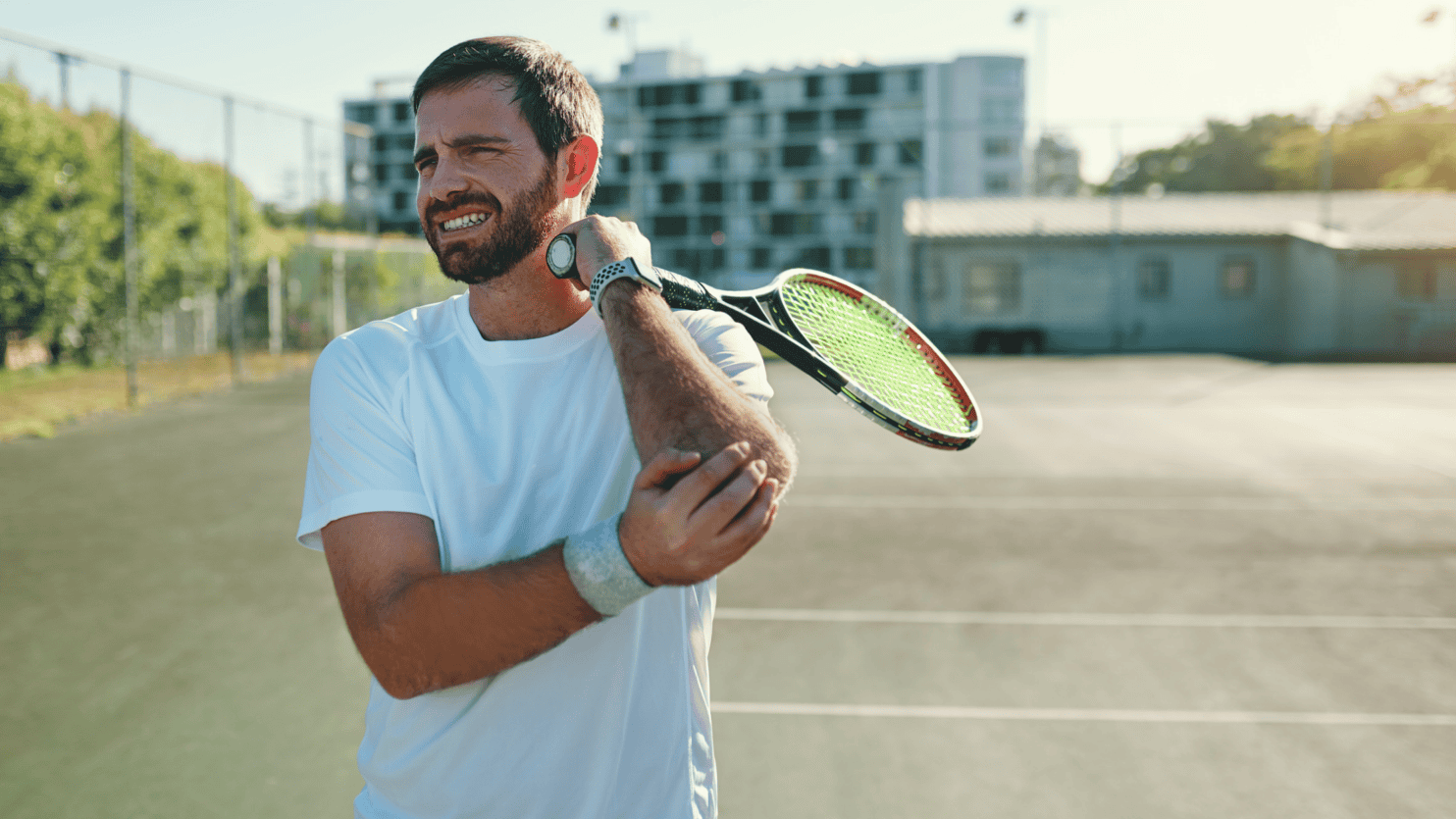
Tennis elbow is a common cause of elbow pain that can make everyday activities, from lifting a coffee mug to turning a doorknob, unexpectedly difficult. Although the condition is often associated with racquet sports, tennis elbow can affect anyone who repeatedly uses the muscles and tendons of the forearm.
Understanding what causes tennis elbow, recognizing its early symptoms, and knowing when to seek treatment can help prevent persistent discomfort from interfering with work, exercise, and daily activities. For people whose symptoms do not improve with rest and conservative care, several treatment options may help reduce pain and restore arm function.
What Is Tennis Elbow?
Tennis elbow, medically known as lateral epicondylitis or lateral elbow tendinopathy, is a condition involving the tendons that attach the forearm muscles to the outer part of the elbow. These muscles help extend the wrist and fingers and stabilize the hand during gripping and lifting.
Tennis elbow typically develops when repetitive movements place excessive stress on these tendons. Over time, the tendon tissue can develop small areas of damage and changes in its structure, leading to pain and reduced function.
Despite the term epicondylitis, chronic tennis elbow is not always driven primarily by inflammation. In many cases, it involves a process of tendon degeneration associated with repeated loading and insufficient recovery.
The condition can affect athletes, office workers, tradespeople, musicians, and others whose activities require repeated gripping, lifting, wrist extension, or forearm rotation.
What Causes Tennis Elbow?
Tennis elbow usually develops from repeated strain rather than a single injury. Activities that repeatedly load the forearm muscles can place stress on the tendons where they attach to the outer elbow.
- Repetitive gripping and lifting: Carrying heavy objects, using hand tools, lifting weights, and performing repetitive household tasks can overload the forearm tendons.
- Sports-related movements: Tennis, pickleball, golf, and other racquet or throwing sports can contribute to tendon irritation, particularly when technique or equipment increases strain.
- Work-related strain: Repeated computer mouse use, manual labor, assembly work, painting, and similar tasks may aggravate symptoms when they involve sustained or forceful wrist movements.
- Sudden increases in activity: Increasing workout intensity, practice time, or repetitive work without allowing sufficient recovery can place more stress on the tendon than it can tolerate.
- Age and tendon changes: Tennis elbow is particularly common in adults between approximately 30 and 50 years old, although it can occur at other ages.
Poor technique, inadequate conditioning, and insufficient recovery may increase the risk of developing symptoms. However, tennis elbow can occur even in people who use proper technique and maintain good physical fitness.
What Are the Most Common Symptoms of Tennis Elbow?
The most common symptom of tennis elbow is pain or tenderness on the outside of the elbow. The discomfort may begin gradually and worsen as the affected arm is used.
Other symptoms may include:
- Pain that travels from the outer elbow into the forearm.
- Weakness when gripping objects, shaking hands, or holding a cup.
- Discomfort when lifting objects with the palm facing downward.
- Pain when extending the wrist or straightening the fingers against resistance.
- Tenderness when pressing on the bony area on the outside of the elbow.
Symptoms may initially appear only during specific activities. As the condition progresses, even light tasks, such as opening a jar or carrying a grocery bag, may become uncomfortable.
Tennis elbow generally does not cause significant swelling or visible deformity. Severe swelling, substantial bruising, sudden weakness, or pain following a major injury may indicate another problem that requires medical evaluation.
How Is Tennis Elbow Diagnosed?
Tennis elbow is usually diagnosed through a medical history and physical examination. A healthcare professional will ask when the pain began, which activities make it worse, and whether symptoms affect grip strength or daily function.
During the examination, the provider may press on the outer elbow and ask the patient to extend the wrist or grip an object against resistance. These movements can help reproduce the characteristic pain and distinguish tennis elbow from other conditions.
Imaging is not always necessary. X-rays may be used when a bone or joint problem is suspected, while ultrasound or magnetic resonance imaging (MRI) may be considered when symptoms are atypical, another diagnosis is possible, or the tendon needs further evaluation.
Other conditions, including nerve compression, arthritis, and referred pain from the neck, can produce similar symptoms. An accurate diagnosis helps ensure that treatment addresses the actual source of discomfort.
When Should You Consider Treatment for Tennis Elbow?
Treatment should be considered when elbow pain persists, worsens, or begins interfering with normal activities. Mild symptoms may improve with activity modification and appropriate home care, but continued pain can indicate that the tendon needs additional support.
A medical evaluation is appropriate when:
- Pain continues despite reducing aggravating activities.
- Grip strength is declining or lifting everyday objects becomes difficult.
- Symptoms interfere with work, sports, sleep, or exercise.
- Pain repeatedly returns when normal activities resume.
- The elbow becomes increasingly painful or the diagnosis is uncertain.
There is no need to wait until the pain becomes severe. Early assessment can help identify aggravating movements, guide rehabilitation, and reduce the likelihood that symptoms will become a persistent problem.
Sudden severe pain after an injury, marked swelling, a hot or red elbow, fever, or new numbness or significant weakness warrants prompt medical attention rather than routine self-treatment.
What Treatments Can Help Relieve Tennis Elbow?
Tennis elbow treatment typically begins with nonsurgical approaches that reduce excessive tendon strain while gradually rebuilding strength and function. The most appropriate plan depends on symptom severity, activity demands, and how long the condition has been present.
- Activity modification: Temporarily reducing painful gripping, lifting, or repetitive wrist movements gives the tendon an opportunity to recover. Complete inactivity is rarely necessary.
- Physical therapy: Targeted exercises can improve forearm strength, flexibility, and the tendon’s ability to tolerate everyday loads. Eccentric and other progressive strengthening exercises are often included.
- Bracing: A counterforce strap or wrist brace may reduce discomfort during selected activities for some patients.
- Pain management: Ice may provide temporary relief after aggravating activity. Topical or oral anti-inflammatory medications may be appropriate for some people, depending on their medical history and other medications.
- Gradual return to activity: Adjusting technique, improving equipment ergonomics, and increasing activity progressively can help limit repeated strain.
Recovery can take several weeks to months, depending on the severity and duration of symptoms. Returning to strenuous activity too quickly may cause pain to recur, so rehabilitation should progress according to symptoms and functional improvement.
What If Tennis Elbow Does Not Improve With Conservative Treatment?
When symptoms persist despite several weeks of appropriate conservative care, a healthcare professional may recommend additional treatment options. These may include specialized rehabilitation, a review of the diagnosis, or selected nonsurgical procedures.
Depending on the individual case, options may include:
- Corticosteroid injections: These may provide short-term pain relief for some patients, but they are not always the best long-term solution. Repeated injections may negatively affect tendon health, and their risks and benefits should be discussed with a provider.
- Platelet-rich plasma (PRP): PRP uses a concentration of platelets derived from the patient’s own blood. It is sometimes considered for persistent tendon pain, although research findings are mixed and the degree of benefit remains uncertain.
- Extracorporeal shock wave therapy: This treatment delivers acoustic waves to the affected area. It may be considered in selected cases, but evidence of effectiveness varies.
- Surgical treatment: Surgery is generally reserved for carefully selected patients with persistent, function-limiting symptoms that have not improved after an extended course of nonsurgical treatment, often six to 12 months or longer.
No single treatment works for every patient. A personalized evaluation can help determine which options are appropriate and whether the expected benefits outweigh the risks.
Can Tennis Elbow Be Prevented From Returning?
Tennis elbow recurrence may be reduced by managing repetitive strain, building forearm strength, and allowing adequate recovery between demanding activities.
Practical prevention strategies include warming up before sports, using proper technique, maintaining comfortable workstation ergonomics, and avoiding sudden increases in repetitive exercise or manual work. Strengthening the forearm muscles can also improve the arm’s ability to tolerate gripping and lifting.
When returning to an activity that previously caused pain, gradual progression is important. Persistent discomfort should not be ignored or repeatedly pushed through, particularly when it affects grip strength or daily function.
When Should You See a Specialist for Tennis Elbow?
A specialist evaluation may be helpful when elbow pain persists, limits everyday activities, or fails to improve with initial treatment. A provider can confirm whether the symptoms are consistent with tennis elbow, assess the extent of tendon involvement, and recommend a treatment plan based on the patient’s needs.
Tennis elbow is a tendon condition caused by repetitive strain, not simply a sports injury. Recognizing symptoms early and addressing the underlying causes can help patients regain strength and function while reducing the risk of prolonged pain. When conservative treatment is not enough, additional nonsurgical options or, in select cases, surgery may be considered.
[gravityform id=10 title=false description=false]