
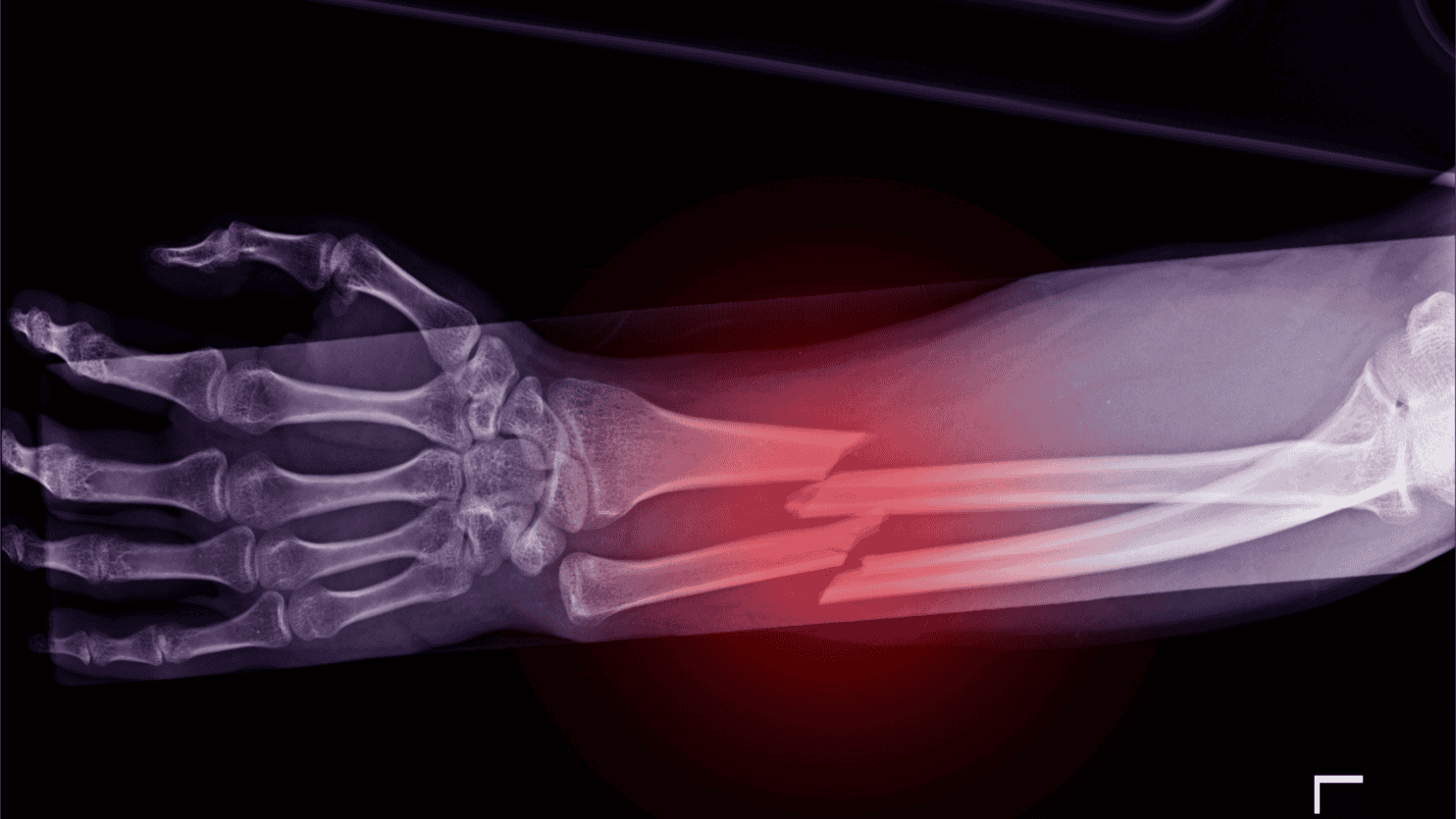
Breaking a bone can be a painful and unexpected injury that disrupts work, sports, daily activities, and overall quality of life. Whether caused by a fall, sports injury, motor vehicle accident, or age-related bone weakness, fractures require prompt evaluation and proper treatment to ensure the bone heals correctly.
Many patients assume that once a cast is applied, the healing process simply takes care of itself. In reality, fracture management involves several stages, from diagnosis and stabilization to rehabilitation and recovery. Understanding what happens after a broken bone can help patients know what to expect and how to support optimal healing.
What Is a Fracture?
A fracture is a break or crack in a bone. Fractures can range from small stress fractures to complete breaks that cause the bone to separate into multiple pieces.
Common types of fractures include:
- Simple (closed) fractures, where the bone breaks but does not penetrate the skin
- Open fractures, where the bone breaks through the skin
- Stress fractures caused by repetitive strain
- Comminuted fractures involving multiple bone fragments
- Displaced fractures where the bone pieces move out of alignment
- Non-displaced fractures where the bone remains properly aligned
The severity and location of the fracture play a major role in determining the appropriate treatment plan.
The First Step: Diagnosis
After a suspected fracture, a healthcare provider will perform a physical examination and order imaging studies.
Diagnostic tools may include:
- X-rays
- CT scans
- MRI scans
- Bone scans in certain cases
These imaging studies help determine:
- The exact location of the fracture
- Whether the bone is displaced
- If surrounding tissues are injured
- Whether surgery may be necessary
Accurate diagnosis is essential because improperly treated fractures can heal incorrectly and lead to long-term pain, weakness, or reduced function.
Immediate Fracture Treatment
The first goal of fracture management is stabilizing the injury and preventing further damage.
Immobilization
The affected area is often placed in a:
- Cast
- Splint
- Brace
- Sling
Immobilization prevents movement and allows the healing process to begin.
Pain Management
Pain and inflammation are common after a fracture. Treatment may involve:
- Ice therapy
- Elevation
- Over-the-counter pain medications
- Prescription medications when necessary
Reduction Procedures
If the bone fragments are out of alignment, a provider may perform a reduction.
A closed reduction involves manually repositioning the bone without surgery. If proper alignment cannot be achieved externally, surgical intervention may be required.
When Is Surgery Necessary?
Not all fractures require surgery, but some injuries need additional stabilization to heal correctly.
- Severely displaced fractures
- Open fractures
- Multiple bone fragments
- Joint-related fractures
- Fractures that fail to heal properly
Orthopedic surgeons may use plates, screws, rods, pins, or external fixation devices to maintain alignment while the bone heals.
How Bones Heal
Stage 1: Inflammation
Immediately after the fracture, blood vessels around the injury rupture and form a blood clot called a hematoma. This inflammatory response helps attract healing cells to the area.
Stage 2: Soft Callus Formation
Over the next several weeks, the body develops a soft callus made of collagen and cartilage around the fracture site. This tissue acts as a bridge connecting the broken bone fragments.
Stage 3: Hard Callus Formation
The soft callus gradually hardens as new bone tissue develops. During this phase, the fracture becomes increasingly stable.
Stage 4: Bone Remodeling
Over months or even years, the body reshapes the healed bone and restores its normal structure and strength.
Factors That Affect Healing
- Age
- Overall health
- Nutrition
- Smoking status
- Diabetes
- Osteoporosis
- Blood circulation
- Severity of the fracture
The Importance of Physical Therapy
After weeks of immobilization, it is common to experience muscle weakness, joint stiffness, reduced flexibility, loss of balance, and decreased endurance.
Physical therapy can help restore range of motion, strength, mobility, coordination, and functional movement. A structured rehabilitation program often plays a critical role in achieving a full recovery.
Potential Complications
Delayed Union
The fracture takes longer than expected to heal.
Nonunion
The bone fails to heal completely.
Malunion
The bone heals in an incorrect position.
Chronic Pain
Some patients continue to experience pain after healing due to joint damage, nerve irritation, or soft tissue injuries.
Post-Traumatic Arthritis
Fractures involving joints can increase the risk of arthritis later in life.
Tips for Supporting Bone Healing
- Following weight-bearing restrictions
- Attending all follow-up appointments
- Participating in physical therapy
- Eating a nutrient-rich diet
- Consuming adequate calcium and vitamin D
- Avoiding tobacco products
- Staying hydrated
- Managing chronic medical conditions
When to Seek Medical Attention
- Increasing pain
- New numbness or tingling
- Significant swelling
- Changes in skin color
- Fever
- Drainage from a surgical site
- Loss of function
Final Thoughts
A broken bone is more than a temporary injury—it is a condition that requires careful diagnosis, treatment, and rehabilitation. While the body has a remarkable ability to heal itself, successful fracture management depends on proper alignment, stabilization, follow-up care, and physical rehabilitation.
Understanding what happens after a fracture can help patients actively participate in their recovery and improve their chances of returning to normal activities safely and effectively. With the right treatment plan and commitment to healing, most fractures can heal successfully, allowing patients to regain strength, mobility, and confidence.