
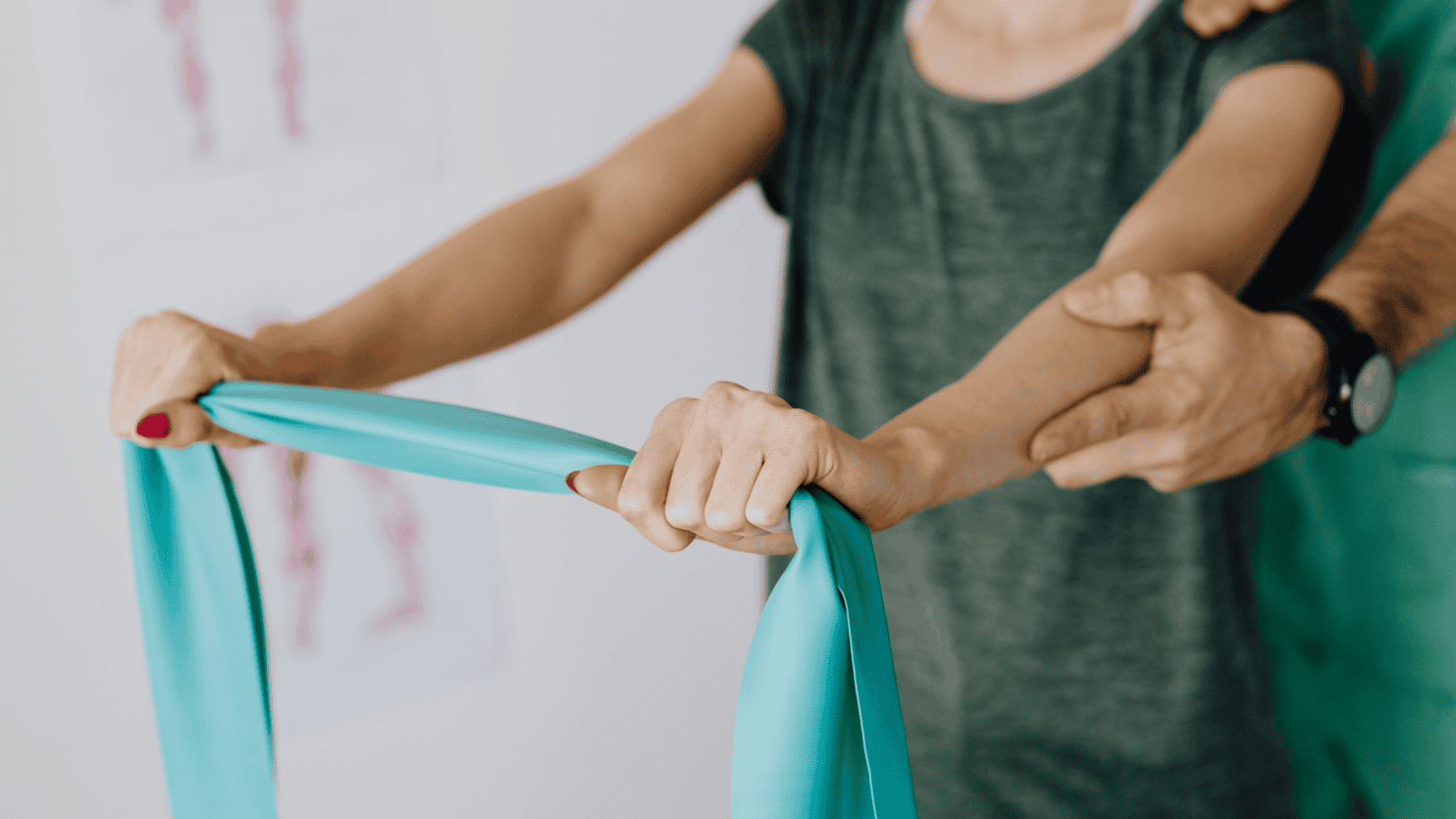
Orthopedic injuries can affect nearly every aspect of daily life, from walking and working to exercising and sleeping comfortably. Whether the injury involves the knees, shoulders, hips, back, or other joints and muscles, recovery often requires more than rest alone. Physical therapy plays a critical role in helping patients regain mobility, reduce pain, restore strength, and safely return to normal activities.
For many patients, physical therapy is one of the most effective non-surgical tools for recovery after an injury or orthopedic procedure.
What Is Physical Therapy?
Physical therapy is a personalized treatment approach focused on improving movement, function, and physical performance. Licensed physical therapists use targeted exercises, manual therapy techniques, stretching, mobility work, and patient education to support healing and recovery.
Treatment plans are customized based on the patient’s condition, symptoms, goals, and activity level. Physical therapy may be recommended after surgery, following a sports injury, or as part of conservative treatment for chronic orthopedic conditions.
Common Orthopedic Injuries That Benefit From Physical Therapy
Physical therapy can help treat a wide range of orthopedic injuries and conditions, including:
- Sprains and strains
- Rotator cuff injuries
- ACL and meniscus injuries
- Tendonitis and bursitis
- Fracture recovery
- Shoulder instability
- Hip injuries
- Chronic back and neck pain
- Arthritis-related joint pain
- Sports injuries
- Post-surgical rehabilitation
In many cases, therapy begins shortly after the injury or procedure to prevent stiffness and maintain mobility while healing progresses.
Key Benefits of Physical Therapy During Recovery
Reduces Pain Naturally
Physical therapy can help reduce pain without relying heavily on medications. Through guided movement, stretching, strengthening exercises, and hands-on treatment techniques, therapy can decrease inflammation, improve joint function, and relieve pressure on injured tissues.
Many patients notice gradual pain reduction as muscles become stronger and movement patterns improve.
Restores Mobility and Flexibility
After an orthopedic injury, stiffness and limited movement are common. Physical therapists work to restore range of motion safely and progressively.
This is especially important after surgeries or injuries that require periods of immobilization. Regaining flexibility early can help prevent long-term limitations.
Builds Strength Around the Injury
Weak muscles often contribute to instability and delayed healing. Physical therapy targets the muscles that support injured joints and tissues, helping improve stability and function.
Strengthening surrounding muscle groups can also reduce stress on the injured area and lower the risk of future injuries.
Improves Balance and Coordination
Many orthopedic injuries affect balance, posture, and coordination. Therapy includes exercises designed to retrain movement patterns and improve body mechanics.
This is particularly important for athletes, older adults, and patients recovering from lower extremity injuries.
Helps Prevent Reinjury
Returning to activity too quickly can increase the chance of reinjury. Physical therapists guide patients through safe progression milestones and teach proper movement techniques to protect healing tissues.
Patients also learn exercises and strategies they can continue at home to maintain long-term joint and muscle health.
Physical Therapy After Orthopedic Surgery
Physical therapy is often an essential part of post-surgical recovery. Procedures such as joint replacement, ACL reconstruction, rotator cuff repair, and spinal surgery frequently require structured rehabilitation afterward.
Post-operative therapy can help patients:
- Reduce stiffness and swelling
- Restore strength and mobility
- Improve circulation
- Promote proper healing
- Regain independence faster
- Return to sports or daily activities safely
Following the recommended rehabilitation plan is one of the most important factors in achieving successful surgical outcomes.
What to Expect During Physical Therapy
Every rehabilitation program is different, but most physical therapy plans include:
Initial Evaluation
The therapist evaluates strength, mobility, pain levels, balance, posture, and functional limitations.
Personalized Treatment Plan
A customized program is created based on the patient’s injury, goals, and overall health.
Guided Exercises
Patients perform specific exercises designed to improve flexibility, strength, stability, and endurance.
Manual Therapy
Hands-on techniques may be used to improve joint mobility, reduce stiffness, and relieve muscle tension.
Home Exercise Program
Most patients receive exercises to continue at home between appointments to support faster recovery.
Progress is monitored regularly, and the treatment plan is adjusted as healing improves.
The Importance of Consistency
Recovery from orthopedic injuries takes time and consistency. Patients who actively participate in therapy and follow home exercise recommendations often experience better outcomes than those who stop treatment too early.
Staying committed to the rehabilitation process can help improve long-term function and reduce the likelihood of chronic pain or future injuries.
When to Seek Professional Help
If pain, swelling, weakness, or limited mobility continues after an injury, it may be time to consult an orthopedic specialist or physical therapist. Early treatment can often prevent complications and improve recovery timelines.
Signs that professional evaluation may be needed include:
- Persistent joint pain
- Difficulty walking or moving normally
- Reduced range of motion
- Weakness after injury
- Pain that interferes with daily activities
- Slow recovery after surgery
Final Thoughts
Physical therapy plays a vital role in recovering from orthopedic injuries by helping patients restore movement, improve strength, reduce pain, and safely return to daily life. Whether recovering from surgery, managing a sports injury, or treating chronic orthopedic pain, a personalized rehabilitation plan can significantly improve both short-term recovery and long-term function.
With proper guidance and consistent effort, physical therapy can help patients regain confidence in their movement and return to the activities they enjoy most.
Oops! We could not locate your form.