
Supporting Strength, Mobility, and Long-Term Joint Health
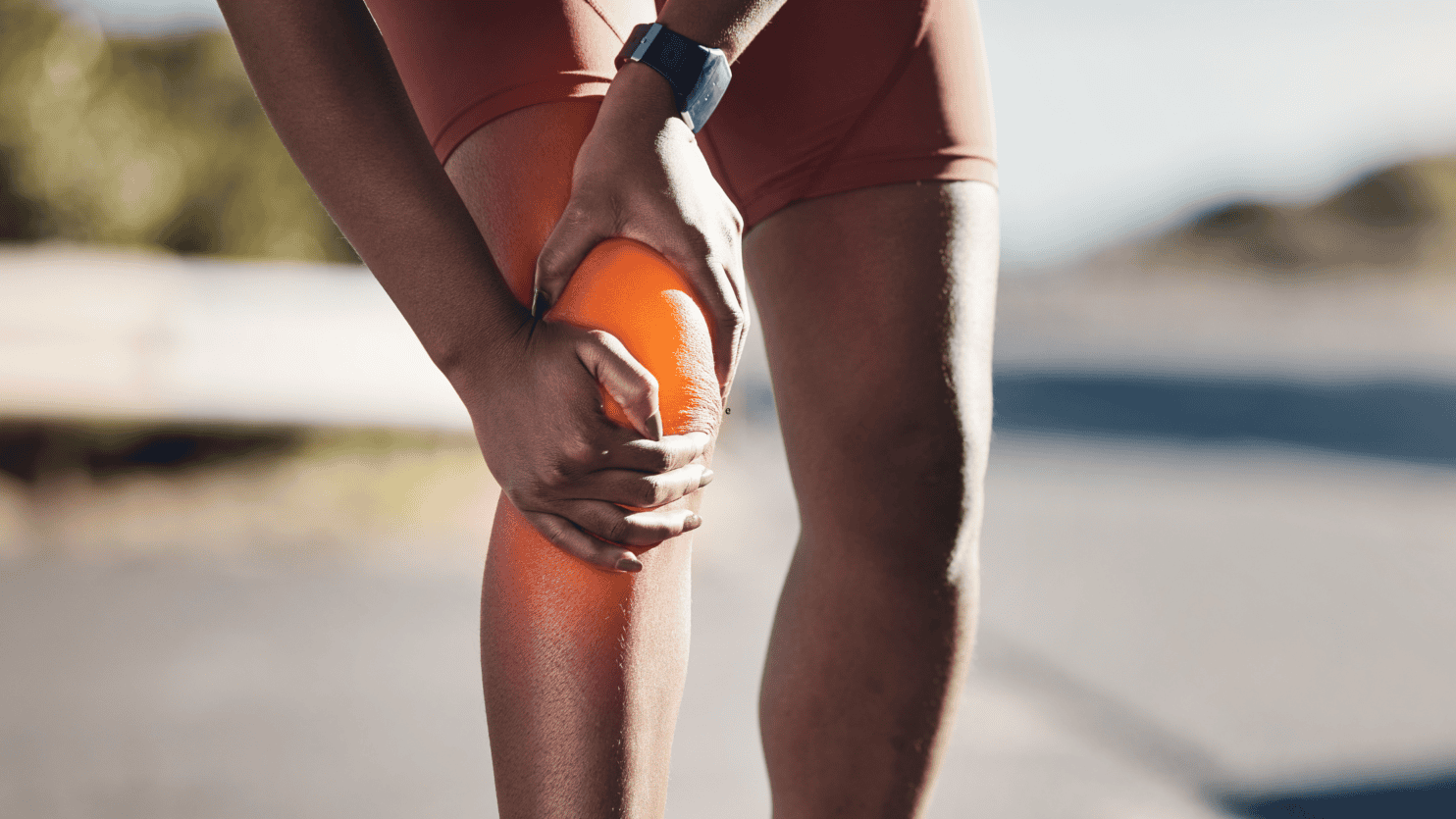
Knee pain is one of the most common musculoskeletal complaints, affecting people of all ages and activity levels. Whether caused by injury, arthritis, overuse, or biomechanical imbalance, knee pain can significantly limit mobility and quality of life. While rest is sometimes necessary, long-term recovery depends on healthy movement, proper conditioning, and supportive care—not complete inactivity.
Understanding how to move safely and recover effectively can help reduce pain, improve function, and protect knee health over time.
Understanding Knee Pain and Movement
The knee is a complex joint that relies on surrounding muscles, ligaments, cartilage, and proper alignment to function well. Pain can develop when these structures are stressed, weakened, inflamed, or injured. Common contributors to knee pain include:
- Muscle imbalances or weakness
- Poor movement mechanics
- Overuse or repetitive stress
- Joint degeneration or arthritis
- Previous injury or surgery
Avoiding movement altogether can lead to stiffness, muscle loss, and worsening joint support. Instead, controlled, purposeful movement plays a critical role in recovery.
Why Healthy Movement Matters
Appropriate movement helps maintain joint lubrication, improve circulation, and strengthen the muscles that support the knee. Benefits of healthy movement include:
- Reduced stiffness and inflammation
- Improved joint stability
- Enhanced balance and coordination
- Better long-term pain control
- Lower risk of future injury
The key is choosing the right types of movement at the right intensity.
Safe and Effective Movement Strategies for Knee Pain
Low-Impact Activities
Low-impact exercises reduce stress on the knee while maintaining mobility and strength. Examples include walking on even surfaces, cycling, swimming, and elliptical training.
Strengthening the Supporting Muscles
Strong muscles help offload pressure from the knee joint. Focus on strengthening the quadriceps, hamstrings, gluteal muscles, and core to improve alignment and joint support.
Flexibility and Mobility Work
Gentle stretching helps maintain joint range of motion and reduce muscle tightness. Hamstrings, hip flexors, calves, and quadriceps often require targeted flexibility work.
Balance and Stability Training
Improving balance and proprioception helps protect the knee during daily activities and reduces injury risk.
The Role of Recovery in Knee Pain Relief
Movement must be balanced with adequate recovery to allow healing. Effective recovery strategies may include:
- Rest days between higher-intensity activities
- Ice or heat therapy as appropriate
- Proper sleep and hydration
- Gradual progression of activity levels
Listening to your body is essential—persistent pain or swelling may signal the need to modify activity.
When to Seek Professional Care
If knee pain persists despite conservative movement strategies, professional evaluation may be needed. Interventional pain management, physical therapy, imaging, or regenerative treatments can help identify and address underlying causes.
Supporting Long-Term Knee Health
Healthy movement is not just about recovery—it’s about prevention. Maintaining strength, flexibility, and proper movement patterns can help protect the knees over time.
Take the Next Step Toward Pain-Free Movement
At Pontchartrain Orthopedics & Sports Medicine, we take a comprehensive approach to joint pain—focusing on restoring function, reducing discomfort, and supporting long-term mobility. Our team develops personalized care plans that emphasize safe movement, recovery, and non-surgical treatment options.
Schedule a consultation today to explore solutions designed to help you move better, recover faster, and protect your knee health.
[gravityform id=10 title=false description=false]