
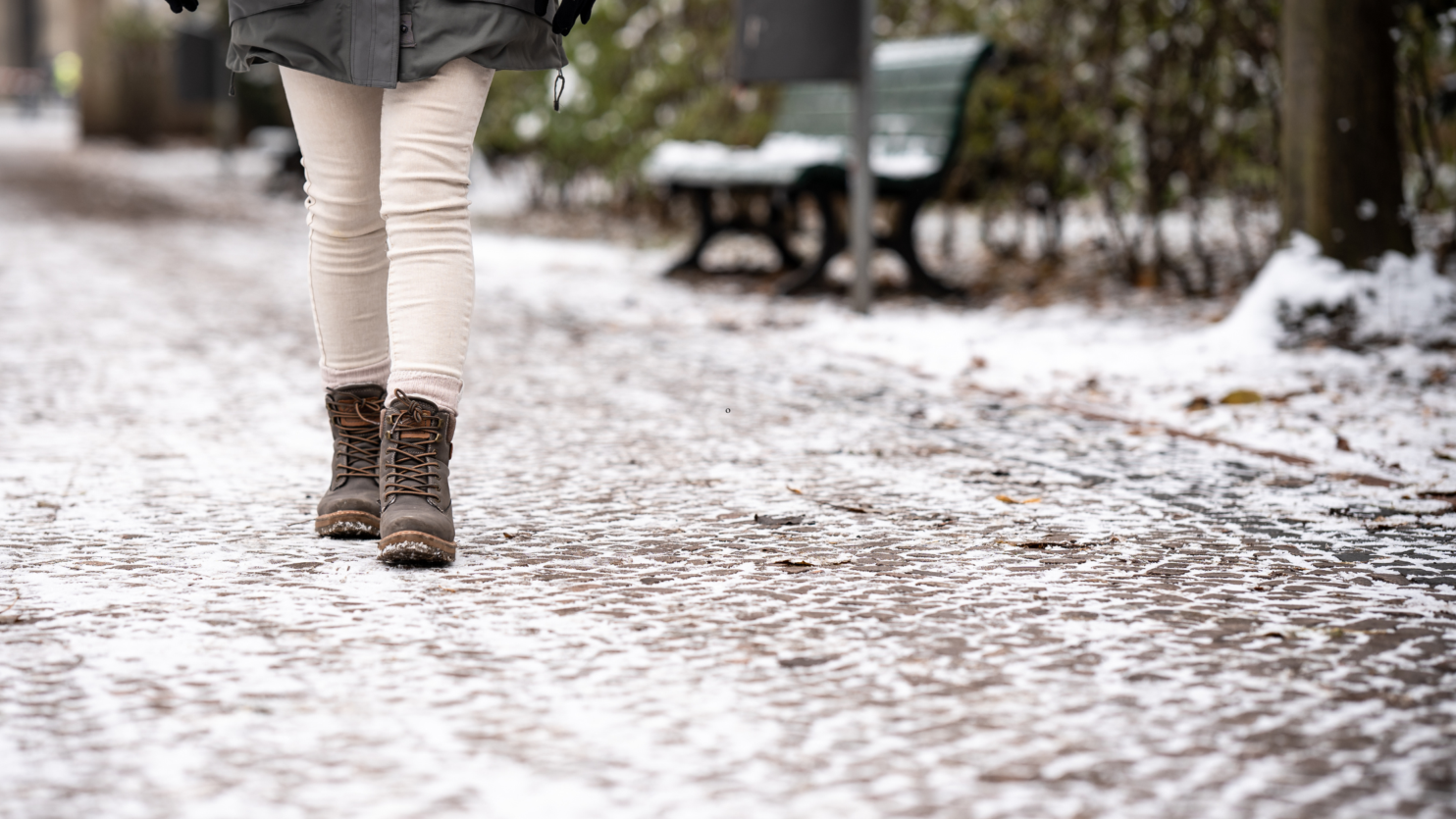
Traveling to a cold-weather destination this winter—whether for skiing, snowboarding, hiking, or exploring snowy towns—means preparing for low temperatures, slick surfaces, and long days on your feet. What many people don’t realize is that winter footwear plays a major role in joint comfort and mobility. The right boots can help protect your knees, hips, ankles, and even your spine from unnecessary strain.
Below, we break down how winter footwear influences joint health, what features matter most, and how to choose supportive options for your winter adventures.
Why Winter Footwear Matters for Joint Health
Cold weather naturally stiffens muscles, reduces blood flow, and increases joint sensitivity. Add icy sidewalks, uneven terrain, and the impact of winter sports, and discomfort or injury becomes more likely.
Supportive winter footwear helps by:
- Improving alignment to reduce stress on knees, hips, and lower back
- Enhancing stability to lower the risk of slips and falls
- Absorbing shock caused by walking on hard, frozen surfaces
- Keeping muscles warm to minimize stiffness and inflammation
Key Features to Look for in Supportive Winter Footwear
1. Good Arch Support
Proper arch support helps maintain alignment from the feet upward, reducing strain on knees and hips during long days of walking or standing.
2. Cushioned, Shock-Absorbing Midsoles
Frozen ground can be harsh on joints. Shoes with EVA foam, gel, or air cushioning soften impact and protect joint health.
3. High-Quality Traction
Slips and sudden jolts can worsen joint pain or cause new injuries. Look for deep lugs, slip-resistant rubber, and winter-specific traction technologies.
4. Ankle Support
Mid- or high-cut boots stabilize the ankle and reduce rotational strain on the knees—helpful when walking through snow or carrying ski gear.
5. Insulation Without Bulk
Warm feet move better. Choose lightweight insulation such as Thinsulate™ or Primaloft® to maintain mobility without adding heaviness.
6. Waterproofing
Wet socks and cold toes can increase stiffness. Waterproof membranes like Gore-Tex® help maintain comfort and circulation.
Best Types of Winter Footwear for Joint-Friendly Travel
Winter Boots for Everyday Wear
Good for exploring towns, airports, and snowy walkways. Look for supportive insoles, traction, and moderate insulation.
Apres-Ski Boots
After a long day on the slopes, cushioned and insulated boots help reduce soreness and improve circulation.
Winter Hiking Boots
For winter hikes or snowshoeing, choose boots with waterproofing, aggressive traction, and ankle support.
Orthotic-Friendly Boots
If you use custom or over-the-counter orthotics, select boots with removable insoles to maintain proper foot alignment.
Supportive Add-Ons to Improve Joint Health
- Orthotics: Enhance alignment and reduce joint stress.
- Moisture-wicking thermal socks: Improve temperature control and reduce stiffness.
- Ice cleats or traction aids: Increase stability on icy terrain.
When to Seek Help
If winter travel or cold-weather activities consistently trigger joint pain, stiffness, or swelling, it may be time for an evaluation. Chronic joint discomfort can indicate underlying inflammation, early arthritis, gait abnormalities, or other treatable issues.
Final Thoughts
The right winter footwear can make cold-weather travel more comfortable and safe. By choosing insulated, supportive, stable boots designed for winter terrain, you protect your joints and reduce the risk of injury—helping you enjoy skiing, sightseeing, and everything the season offers.
Oops! We could not locate your form.